
Understanding E-Cigarette Chemicals: A Deeper Dive
E-cigarettes have skyrocketed in popularity over the past decade, becoming a trendy alternative to traditional smoking. However, beneath their sleek design and appealing flavors lies a complex array of chemicals, whose long-term impact on health is still under scrutiny. E-cigarette chemicals are at the forefront of healthcare discussions, with researchers increasingly concerned about their hidden dangers.
While e-cigarettes were initially marketed as a safer smoking alternative, it’s critical to consider the cocktail of chemicals they contain. Typically, these devices use a liquid called e-liquid or vape juice, composed mostly of nicotine, propylene glycol, and glycerin, along with flavorings. Nicotine, a well-known addictive substance, poses several health risks including increased heart rate and blood pressure.
The Mysteries Behind E-Liquid Composition
Propylene glycol, used as a carrier for nicotine and flavors, is a synthetic liquid that attracts moisture. While deemed safe for ingestion by the FDA, inhaling propylene glycol can lead to respiratory irritation and allergies. On the other hand, glycerin is a sugar alcohol frequently found in food and pharmaceutical products. Its inhalation effects are less well studied, although it is generally accepted as safe for consumption.
However, the full spectrum of e-cigarette chemicals is not solely about nicotine, propylene glycol, or glycerin. E-liquids often hold a variety of flavorings, which are, in many cases, proprietary blends. These flavors, while enhancing the vaping experience, contribute thousands of unidentified chemicals into the vaper’s lungs, leading to potential unknown health impacts.
Unpacking Flavoring Agents
Flavorings in e-cigarettes mimic those in food products, yet the heating and inhalation process can alter their chemical structure. Diacetyl is one such compound that, when used as a food additive, provides a buttery flavor. However, inhalation of diacetyl has been linked to respiratory diseases like bronchiolitis obliterans, more commonly known as “popcorn lung.” Despite these risks, many vape juices may still contain diacetyl or related compounds.
Another critical aspect is the generation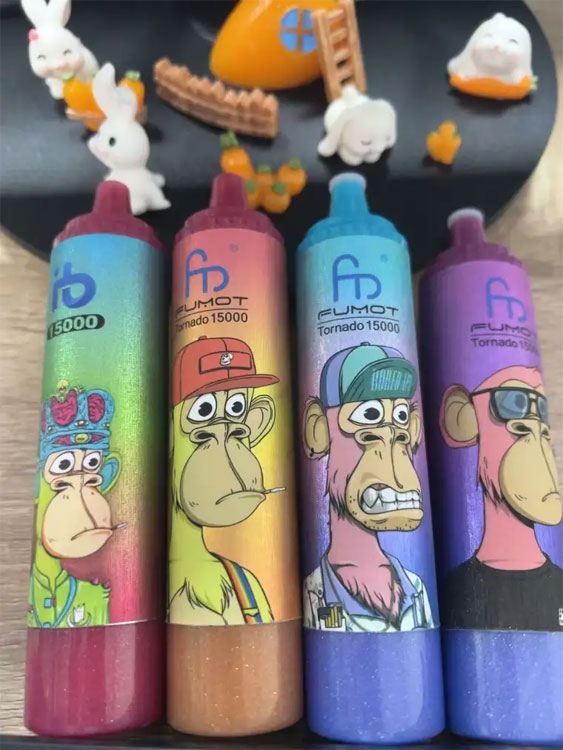 of volatile organic compounds (VOCs) and toxicants from heating e-liquids. Formaldehyde, acrolein, and acetaldehyde are among the harmful chemicals identified. Studies suggest that higher voltage devices generate more of these toxicants due to increased temperatures. As such, e-cigarette chemicals aren’t static, and their composition can shift with device settings.
The Regulatory Landscape
Currently, the regulation of e-cigarette chemicals remains sparse. Organizations such as the FDA and WHO have been pushing for more oversight and transparent reporting from manufacturers, especially regarding ingredient lists and potential health risks. As public health agencies continue researching, it is crucial for consumers to stay informed and critically evaluate claims made by e-cigarette marketers.
FAQs
-
Are there safe e-cigarette flavors?
While some flavoring agents in e-cigarettes are considered safe for consumption, inhalation may pose different risks. It’s important to research ingredients and opt for reputable brands.
-
Can e-cigarettes help quit smoking?
Some individuals report success using e-cigarettes as a smoking cessation tool, but they are not officially recognized as such by public health bodies due to the presence of addictive nicotine and other harmful chemicals.
-
What should I consider when choosing an e-cigarette?
Evaluate the nicotine content, e-liquid ingredients, and manufacturer’s transparency with research-backed claims to ensure a safer selection.

In conclusion, the expansive world of e-cigarette chemicals reveals complexities that go beyond mere flavor enjoyment, encompassing potential health risks and regulatory challenges.
With ongoing research and growing consumer awareness, it remains crucial for both individuals and policymakers to stay vigilant, ensuring that e-cigarettes contribute positively to public health without unforeseen harmful consequences.