
Travel-smart guide: rules and packing strategies for E-cigareta users
Navigating airports with an E-cigareta or when planning to bring an e cigarette on planes can feel complex, but understanding core regulations and adopting a methodical packing routine removes anxiety and reduces delays at security checkpoints. This comprehensive guide unpacks the international norms, airline-specific policies, battery safety, liquid carrying limits, customs considerations, and packing checklists so you can move through airports confidently while ensuring the safety of your device and fellow passengers.
Why clear rules exist
Airport authorities and airlines have developed detailed rules for electronic nicotine delivery systems (ENDS) because of the battery chemistry (usually lithium-ion), potential fire risks, and the presence of liquids and nicotine which are regulated substances in many jurisdictions. The aim of those rules is to reduce onboard incidents, prevent accidental activation, and limit exposure to other passengers. When you understand the logic behind the rules for carrying an E-cigareta or an e cigarette on planes, compliance becomes straightforward.
General principles for air travel with e-devices
Most major regulators and airlines follow consistent high-level principles: carry the device in your hand luggage (not checked baggage), keep spare batteries in the cabin and protected against short-circuit, store liquids within allowed limits and in required containers, and never use the device onboard. These general rules apply to mods, pods, disposables, vape pens, and refillable tanks, though some airlines and countries may add stricter local restrictions.
Carry-on vs checked baggage: a clear rule
The single most important rule to remember is that an E-cigareta and spare batteries should always travel in carry-on luggage. Checked baggage subjects batteries to temperature fluctuations and inaccessible storage in the cargo hold, which can magnify safety risks; for that reason, most carriers and regulatory authorities prohibit or strongly discourage placing lithium batteries or assembled devices with batteries in checked luggage. If your mod uses built-in batteries, keep it with you in the cabin. If you have spare cells, they must be insulated and carried with you.
Battery safety and packing best practices
Improper handling of batteries is the most frequent cause of incidents. To safely transport batteries and devices when you travel with an E-cigareta or are preparing to take an e cigarette on planes, follow these practical steps:
- Ensure devices are switched off and, where possible, protected with a case to prevent accidental activation. Many devices have lock functions — use them.
- Use original or certified battery wraps; if any wrapping is damaged, replace it before travel.
- Store spare batteries in a dedicated battery case or in separate plastic pouches to avoid contact with metal objects like coins, keys, or other batteries.
- Label batteries or carry proof of their specifications (mAh/Wh) if traveling to destinations that require documentation. Airlines may request this information for high-capacity cells.
- Know the Watt-hour (Wh) rating: most airlines allow lithium-ion batteries up to 100 Wh without approval; 100–160 Wh typically require airline approval and are often prohibited in checked luggage; above 160 Wh are generally forbidden.
Practical battery examples
To avoid surprises at the gate, check your battery’s Wh rating (or compute it: Wh = (mAh × V) / 1000). Typical single 18650 cells are often within allowed ranges, but dual-battery mods, large external packs, or multiple spare cells may need pre-approval. If in doubt, contact your airline before departure.
Liquid cartridges, e-liquids, and airport security
When traveling with refillable tanks or bottles of e-liquid, you must follow the liquid restrictions that apply to all passengers for carry-on: containers usually must be 100 ml (3.4 ounce) or smaller and fit within a single transparent quart-sized bag, though some airports provide slightly different allowances. Concentrated nicotine liquids may be subject to additional restrictions in some countries; ensure labels are intact and consider carrying receipts or manufacturer packaging to demonstrate contents if requested by customs or security officials.
Tips to prevent leaks and spills
- Partially disassemble tanks if you plan to stow them for long flights and secure caps tightly.
- Store e-liquids upright in a zip-lock bag as an extra layer of protection against pressure changes and luggage movement.
- Avoid overfilling tanks before boarding; temperature and pressure shifts can cause leaks.
- Use travel-friendly containers with sealed spouts or specialized travel bottles for small top-ups.
Airport security screening and what to expect
Security personnel screen carry-on items and may ask you to remove electronic devices from your bag. To ease the process: place your E-cigareta and spare batteries near the top of your carry-on in an easily accessible travel case, remove power banks and large batteries for separate X-ray screening if asked, and be ready to power on the device if security requests it to confirm functionality (though this may vary by airport). Remember that using the device at the checkpoint is never allowed.
Policies can vary: some countries or specific carriers treat disposable vape pens like nicotine-containing products and may restrict their import; other places regulate based on nicotine concentration or flavor. Before you travel, consult the airline’s site and the arrival country’s customs rules.
International differences: plan ahead
Regulations change between jurisdictions. For example, some countries ban nicotine-containing e-liquids altogether, while others allow them but restrict flavors or nicotine concentration. There are also airline-specific nuances — budget carriers may have stricter carry-on size limits, which impacts how you store travel cases. Always check three places: your airline’s official policy, the departure country’s aviation authority guidance, and the arrival country’s customs and public health regulations.
Packing checklist for a smooth passage
Use this practical list to prepare for most journeys when traveling with an E-cigareta or when you intend to bring an e cigarette on planes:
- Device(s) powered off and locked, stored in a protective case.
- Carry spare batteries in a battery case; limit quantity to what you reasonably need.
- E-liquid bottles ≤100 ml each and packed in a transparent resealable bag if carried in hand luggage.
- Extra coils, small tools, and replacement parts in a compact pouch.
- Proof of purchase or manufacturer labels for high-capacity batteries or premium devices.
- Disposable or single-use vapes: treat them like any electronic device and carry them in cabin baggage, unless specifically prohibited at destination.
- Small silicone or plastic caps for tanks to prevent leaks.
- Compressed cotton or cotton pads for emergency wick repairs (checked only if permitted by airline — better to keep small spares in carry-on).
On-board etiquette and legal considerations
Never use your E-cigareta on a plane. Smoke-free policies cover vaping as well as traditional smoking. Attempting to use a device in-flight can result in severe penalties including fines, flight diversion, and criminal charges depending on jurisdiction. Respect cabin crew instructions, signage, and the comfort of fellow travelers. Additionally, be mindful that vaping in airport terminals may be regulated differently than onboard; many terminals prohibit vaping in enclosed spaces. When smoking or vaping is allowed at airport grounds, it will be clearly marked.
What to do if your device is confiscated
If security or customs confiscates your device or liquids, ask for a written receipt or an official confiscation form. This helps resolve potential disputes or claims for return when you depart. If confiscation occurs at the arrival airport because local laws are stricter, accept the decision courteously; challenging officers rarely changes the outcome and can escalate matters.
Special cases and exemptions
Medical exemptions: some travelers use nicotine replacement therapy as part of a medical plan. If your E-cigareta is prescribed or recommended for medical reasons, carry supporting documentation from a healthcare professional and check whether alternative nicotine replacement therapies are more appropriate for your destination.
Empty tanks: if asked by security to remove e-liquids or tanks, offering an empty, disassembled tank packed safely in your carry-on is often acceptable. Remember that customs at the destination may apply separate import rules for nicotine products.
Smart packing techniques to reduce stress
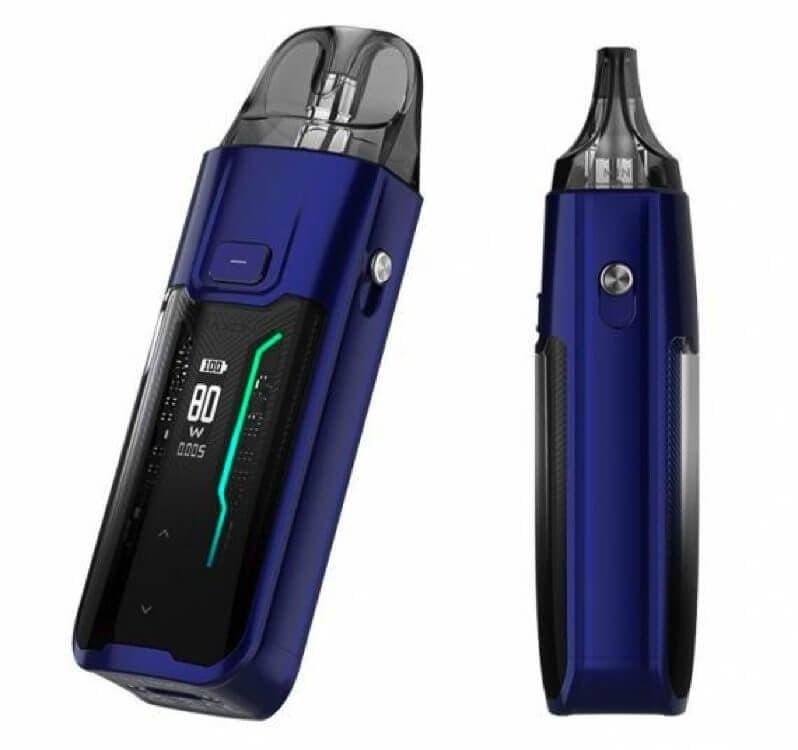 E-cigareta airport rules and smart packing tips for carrying an e cigarette on planes safely” />
Adopt simple habits that reduce the chance of delays or confiscation: pre-pack a dedicated travel pouch for your vaping gear, always travel with spare wraps and seals, keep batteries separated with electrical tape over terminals if necessary, and make a travel-friendly toolkit including tiny screwdrivers and a small bottle of e-liquid under allowable sizes. Carrying a printed quick reference of airline rules and battery Wh ratings can save time when staff request details.
Handling powerbanks and charging on the go
Many vapers carry external powerbanks to charge devices or batteries via external chargers. Powerbanks are treated like batteries and typically must be in carry-on. Confirm the powerbank’s Wh rating and keep it accessible during screening. Portable chargers that contain lithium batteries above certain limits may require airline approval or be prohibited entirely; check the airline’s policy ahead of time.
When flying internationally: border inspections and customs
Cross-border travel raises additional layers of compliance. Some countries restrict or ban nicotine-containing e-liquids, while others demand specific labels or volume limits. Failure to declare restricted substances or attempting to import prohibited flavors or nicotine strengths can lead to fines, confiscation, or legal trouble. Always declare items if required and consult embassy or government travel advisories when uncertain.
A quick decision guide before flying
- Check your airline’s official policy on E-cigareta and batteries.
- Review the destination country’s customs rules for nicotine products.
- Pack batteries in insulated cases and keep all ENDS devices in carry-on luggage.
- Limit e-liquids in carry-on to containers ≤100 ml and store them in a transparent bag.
- Be prepared to comply with requests from security and customs officers and carry documentation for unusual items.
Pro tip: If you travel often, create a small “airport-ready” kit that contains your device (turned off), a spare battery case, a labeled e-liquid bottle, and a printed copy of your airline’s battery and device policy. Store this kit where you can reach it quickly during security screening.
Common pitfalls and how to avoid them
Common mistakes include placing devices in checked luggage, forgetting multiple spare batteries in a pocket, carrying oversized e-liquid bottles, and assuming all countries allow disposable vapes. To avoid pitfalls, adopt a pre-flight checklist ritual and double-check regulations for both airline and destination. When traveling between multiple carriers or connections, the strictest rule among your carriers and countries typically applies.
When to contact your airline
If you own high-capacity batteries, carry many spare cells, or use devices with unusual power specs, contact the airline before travel. Ask if you need written approval, what packing they require, and whether any onboard restrictions apply. Some carriers have specific forms or online procedures for approval of batteries between 100 and 160 Wh.
Additional safety tips for long-haul flights
For extended travel, consider traveling with refillable options that fit within local regulation or with nicotine-free e-liquids to avoid entry problems at stricter destinations. Recharge your devices before boarding and avoid charging devices in public areas of the airport where rules prohibit vaping-related charging accessories. Keep a small supply of sealed, travel-sized e-liquid bottles and maintain documentation of their contents.
Summary checklist
- All E-cigareta devices in carry-on; never check batteries or powered devices in baggage.
- Spare batteries stored in non-conductive cases and in carry-on.
- E-liquids in containers ≤100 ml in a transparent bag, labeled when possible.
- Devices powered off, locked, and protected from accidental activation.
- Review airline, departure, and arrival country rules before flying and carry proof for unusual equipment.


Final practical reminders
Be proactive and respectful: arrive early if you anticipate questions, declutter your carry-on at security to make inspections quicker, and always comply with crew instructions on board. Keeping your E-cigareta gear organized not only reduces the chance of confiscation but also enhances safety for you and other passengers. Ultimately, the safest approach to traveling with an e cigarette on planes is transparency, careful packing, and adherence to official guidelines.
FAQ
Q1: Can I put my e-cigarette in checked luggage?
A1: No. Most airlines and aviation authorities require that an E-cigareta and spare lithium batteries stay in carry-on luggage to reduce fire risk in the cargo hold.
Q2: How many spare batteries can I carry?
A2: Rules vary by carrier, but generally a reasonable number for personal use is accepted if each battery is within the permitted Wh rating. Always store spares in a protective case and check airline limits; for batteries between 100 and 160 Wh you may need airline approval.
Q3: Are e-liquids allowed in international flights?
A3: E-liquids are allowed in carry-on subject to the standard liquids rule (usually containers ≤100 ml inside a transparent bag) but some destination countries restrict nicotine-containing liquids. Check destination customs rules before travel.
Q4: What if security asks me to power on my device?
A4: Security may request verification that an electronic device is operational. If asked, comply politely, but never attempt to use the device to vape. If the device will not power on due to safety shutdown, explain that and offer documentation if available.
Traveling with an E-cigareta or planning to bring an e cigarette on planes need not be stressful. With preparation, knowledge of battery and liquid rules, and a compact, organized packing approach, you can navigate airports smoothly, protect your gear, and respect safety and legal requirements across borders.