
papieros elektroniczny practical safety and body-impact overview
This extended guide explores practical safety advice for users and curious readers, and explains in clear terms what do e cigarettes do to your body. The aim is to offer balanced, evidence-informed information that helps adults make better decisions about vapor products commonly referred to by the Polish term papieros elektroniczny and by descriptive English phrases. The content below covers how these devices work, their immediate and longer-term physiological effects, safety precautions for storage and use, how to reduce risks, commonly reported side effects, and points to consider if you are thinking about switching from combustible cigarettes or deciding whether to use electronic nicotine delivery systems at all.
How a vapour device operates: quick mechanics and terminology
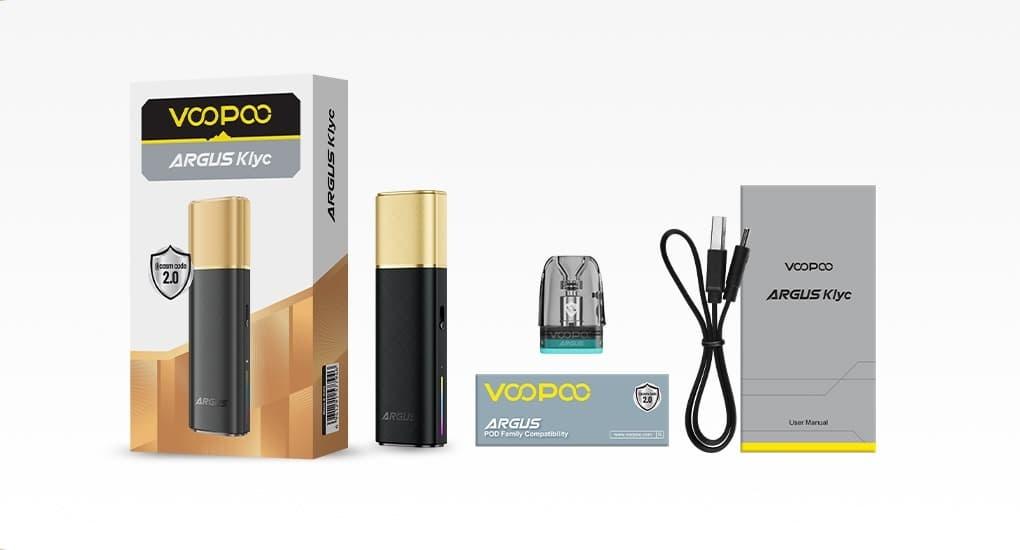
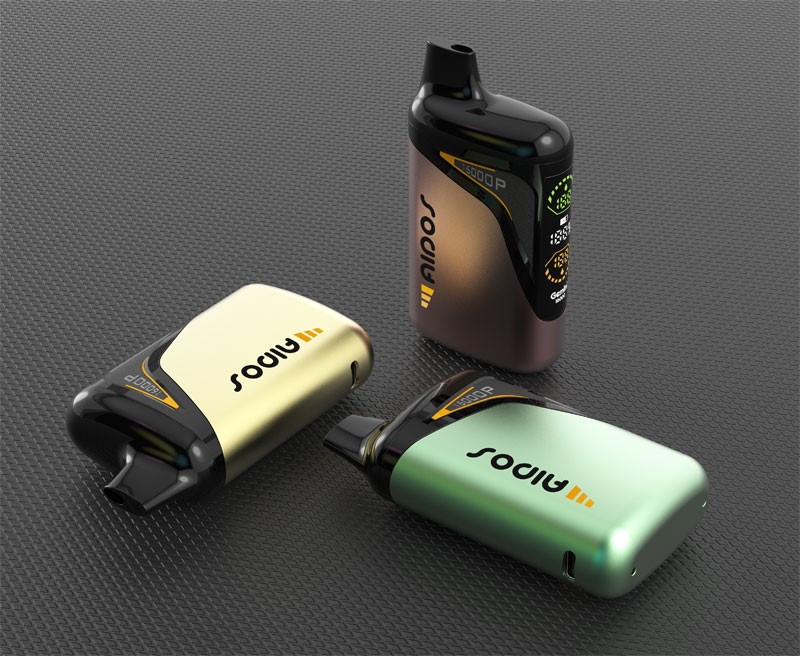
At the core of any papieros elektroniczny is a battery-powered heating element (atomizer), a liquid reservoir (e-liquid), and a mouthpiece. When a user activates the device, the atomizer warms the e-liquid, generating an aerosol that is inhaled. E-liquids typically contain propylene glycol (PG), vegetable glycerin (VG), flavorings, and optional nicotine at various concentrations. Devices range from simple cigalikes to advanced refillable systems; power, coil resistance, and formulation determine the temperature and character of the aerosol, affecting what users inhale. Understanding this simple architecture helps explain why composition, device maintenance, and user behavior influence potential health outcomes and safety risks.
Key terms explained
- Atomizer: the heating element that vaporizes e-liquid.
- E-liquid: the mixture containing PG, VG, flavors, and nicotine if present.
- Nicotine strength: measured in mg/ml; higher levels deliver more nicotine per puff.
- Cloud: visible aerosol produced after exhalation.
- Dry hit: unpleasant inhalation when the coil is insufficiently saturated.
What do e cigarettes do to your body: immediate effects
Inhaling vapor delivers a mixture of fine particles, volatile compounds, flavoring agents, and often nicotine to the respiratory tract. The immediate effects vary by nicotine dose and individual sensitivity. Common short-term responses include throat irritation, coughing (often temporary), a metallic taste with certain e-liquids or coils, light-headedness or dizziness from rapid nicotine absorption, and in some users, nausea. Nicotine stimulates the nervous system, raising heart rate and blood pressure temporarily. For non-tobacco users and especially young people, any nicotine exposure can impair brain development and increase the risk of nicotine dependence. For adult smokers switching completely from combustible cigarettes, some acute respiratory symptoms may improve, but there is variability and not everyone experiences immediate benefits.
How e-cigarette aerosol differs from cigarette smoke
An important comparison concerns composition: traditional cigarette smoke contains thousands of chemicals, many created by combustion and including tar, carbon monoxide, formaldehyde in varying amounts, polycyclic aromatic hydrocarbons, and known carcinogens. Aerosols from a papieros elektroniczny generally contain far fewer combustion-derived toxicants because the liquid is heated, not burned. However, aerosols are not simply “harmless water vapor.” They include ultrafine particles, small amounts of carbonyls (e.g., formaldehyde and acrolein under certain conditions), metals traced to coils, and flavoring-related chemicals that can be irritating or potentially harmful when inhaled chronically. Exposure levels depend on device settings, coil temperature, e-liquid composition, and usage patterns.
Respiratory system: effects and concerns
Short-term respiratory effects can include cough, throat soreness, and increased airway resistance in some individuals. Repeated inhalation of aerosolized flavorings — some of which were only tested for ingestion, not inhalation — raises concerns about long-term consequences for the airways and alveoli. There have been case reports of acute lung injury linked to contaminated or illicit products, highlighting the importance of product source and composition. While many former smokers report reduced symptoms like breathlessness after switching, long-term comparative data are still emerging and absolute safety is not established.
Cardiovascular effects
Nicotine acutely increases sympathetic nervous system activity, which can raise heart rate and transiently increase blood pressure. These effects may be more pronounced with high-nicotine formulations or rapid-delivery devices. For individuals with existing cardiovascular disease, nicotine exposure could theoretically increase risk, although long-term cardiovascular outcomes comparing vaping and smoking remain an active area of research. Minimizing nicotine concentration and seeking clinical advice if you have known heart conditions are prudent risk-reduction steps.
Neurological and developmental risks
For adolescents, young adults, and pregnant people, nicotine poses special hazards. Nicotine exposure during brain development can disrupt synapse formation and may have lasting effects on attention, learning, and mood regulation. Therefore, the safest recommendation is zero nicotine exposure for these groups. For adult smokers using a papieros elektroniczny to quit combustible cigarettes, nicotine replacement under controlled conditions may be a component of harm reduction, but the risks and benefits should be weighed with healthcare providers.
What do e cigarettes do to your body: substances of concern beyond nicotine
Beyond nicotine, attention focuses on:
- Carbonyls (formaldehyde, acetaldehyde, acrolein) produced at high coil temperatures.
- Metals (lead, nickel, chromium) traced to coils or solder and present in aerosol in small amounts.
- Flavoring agents such as diacetyl (linked to bronchiolitis obliterans in occupational exposures) and other additives not tested for inhalation safety.
- Particulate matter and ultrafine particles that deposit deep in the lungs.
Risk magnitude depends on frequency, product quality, and device settings; using reputable products, maintaining moderate power settings, and avoiding DIY modifications can reduce potential exposures.
Practical safety guidance for papieros elektroniczny users
- Choose regulated products from reputable manufacturers and avoid illicit or black-market liquids, which have been linked to serious lung injury outbreaks.
- Prefer nicotine levels that satisfy cravings without excessive doses; gradual reduction plans can be used if the goal is cessation.
- Follow manufacturer instructions for charging and battery care; use the correct charger to reduce the rare but real risk of battery failure and fires.
- Keep e-liquids, especially nicotine-containing ones, out of reach of children and pets; nicotine is toxic if ingested in sufficient quantities.
- Store devices and liquids in cool, dark places; prolonged heat exposure can degrade liquids and increase pressure in sealed containers.
- Replace coils and maintenance parts regularly to avoid degraded performance and unpleasant by-products from burnt wicks.
- Avoid vaping in enclosed spaces around non-consenting people, children, or those with respiratory disease; although secondhand aerosol exposure is less toxic than cigarette smoke, it is not inert.
Handling spills and accidental ingestion
If e-liquid contacts skin, wash promptly with soap and water; if ingested, seek medical advice immediately and consider contacting your local poison control service. Keep packaging labeled and sealed when not in use to reduce accidental exposure incidents.
Harm reduction perspective and quitting strategies
Some public health authorities consider controlled use of papieros elektroniczny as a potential harm reduction tool for adult smokers who cannot or will not quit using other evidence-based treatments. If your primary goal is smoking cessation, discuss options with a healthcare provider: combinations of behavioral support, regulated pharmacotherapies (NRT, varenicline, bupropion), and, for some adults, switching to a regulated vapor product under a monitored plan may be considered. Importantly, dual use — continuing to smoke combustible cigarettes while also vaping — reduces potential health gains. Complete cessation of combustible tobacco yields the greatest health benefit.
Practical tips to reduce risks
- Consider gradual nicotine tapering if dependence is a concern.
- Use lower-temperature devices or recommended wattage ranges to limit formation of carbonyls.
- Avoid flavorings with known risks when inhaled; research and labeling continue to evolve.
- Discard old or discolored e-liquids and avoid mixing liquids unless you understand the chemistry and safety implications.
Special populations and medical advice
People who are pregnant, breastfeeding, adolescents, or individuals with serious heart or respiratory conditions should avoid nicotine-containing products and seek individualized medical advice. For smokers with chronic obstructive pulmonary disease (COPD) or cardiovascular disease, clinicians can help evaluate relative risks and safer alternatives for quitting. If using a papieros elektroniczny as part of a quit attempt, regular follow-up and monitoring are recommended.
Regulatory, manufacturing, and quality factors
Product safety is influenced by the regulatory environment: jurisdictions that require ingredient disclosure, childproof packaging, and manufacturing standards reduce risks to consumers. Counterfeit or unregulated products can contain contaminants or unlisted additives that have caused harm in outbreak situations. When possible, choose products that comply with local regulations and manufacturer transparency, and be cautious about DIY modifications or mixing untested substances.
Environmental and social considerations
Discard used cartridges, batteries, and packaging responsibly: batteries and electronic waste require special disposal to avoid environmental harm. Be mindful of social norms and local rules regarding vaping in workplaces, restaurants, and public spaces. Respect for others and awareness of emerging research supports sensible personal and public choices.
what do e cigarettes do to your body — conclusions and balanced summary
In summary, inhalation from a papieros elektroniczny delivers nicotine (when present) and an aerosol containing various chemical constituents to the respiratory system. Compared to cigarette smoke, aerosols generally contain fewer combustion-derived toxicants, and many adult smokers who switch completely report respiratory and sensory improvements. However, vaping is not risk-free: nicotine exposure has known harms, some aerosol constituents raise inhalation safety questions, and long-term data remain limited. Safe use emphasizes high-quality products, appropriate nicotine levels, device maintenance, and avoiding use by young people, pregnant people, and non-smokers. If your objective is smoking cessation, consult a clinician to select the most evidence-based and personalized strategy.
Actionable checklist before using or switching
- Confirm your objective: reduction, transition, or cessation?
- Select regulated products and read labels carefully.
- Start with a nicotine level that mitigates cravings without excess.
- Practice safe charging and battery handling.
- Dispose of liquids and batteries properly.
- Arrange medical follow-up if you have preexisting health conditions.
FAQ
A: For some adult smokers, switching completely to a regulated vapor product has helped reduce cigarette consumption or support cessation, but success is enhanced when combined with behavioral support and medical guidance. Dual use limits benefits.

A: No. Nicotine exposure can harm adolescent brain development and fetal development. Avoid use in these populations.
A: Use reputable products, maintain recommended device settings, avoid illicit liquids, store e-liquids securely, and consider lower nicotine concentrations if dependence is a concern.
For authoritative, up-to-date guidance consult national public health agencies and peer-reviewed literature; staying informed about product standards and regulatory changes helps users and clinicians make safer, evidence-based decisions about papieros elektroniczny use and about understanding what do e cigarettes do to your body.