
Top Choices, Travel Rules and Practical Tips for Portable Vaping Devices
If you’re researching e-cigarette brands and wondering can you take e cigarette on a plane , this comprehensive guide covers reputable manufacturers, the device categories they specialize in, airline and international travel rules, safe packing and battery tips, and practical suggestions to keep your journey smooth. The content below balances brand comparison and legal/travel guidance so you know both which systems perform well and how to transport them responsibly.

Quick overview: key themes and what to expect
In short: many major airlines permit e-cigarettes in carry-on baggage but forbid them in checked luggage; spare lithium batteries must be carried in the cabin; e-liquids are subject to the usual liquid limits for cabin baggage; and local regulations at your destination may restrict possession or use. Below you’ll find details about leading e-cigarette brands, battery safety, airline rule nuances, and step-by-step packing strategies to answer the central question: can you take e cigarette on a plane and how to do it safely.
Why brand choice matters for travel
Travel-friendly devices often share traits: compactness, integrated batteries with safe internal protections, leak-resistant pods, simple disassembly for inspection, and reliable firmware. Picking the right e-cigarette brands influences battery size, how many spare cells you may want, the likelihood of leaks, and whether the device can be easily shown to security staff. Brands that produce robust pod systems or regulated mods with durable cases tend to be more travel friendly.
Leading reliable manufacturers and what they offer
Pod systems and small devices (best for travel)
Pod devices combine discretion and low maintenance. Popular choices include:
- SMOK — Known for compact pod kits and strong coil performance; many pods have leak-reduction designs, good for carry-on transport.
- Voopoo — Offers stable chipsets and efficient pods; easy to close and prepare for security checks.
- Uwell (Caliburn) — Renowned for reliable pods with tight seals, making them ideal when packing in a carry-on.
- Suorin — Sleek and thin devices with low-profile designs that slide into pockets and cases conveniently.
Starter kits and refillable options
For those who prefer refillable tanks and variable output, consider:
- Innokin — User-friendly, sturdy, and great for those who want a simple refillable experience without complicated settings.
- Aspire — Solid build quality and dependable tanks; many Aspire models are travel-friendly with sealed top-fill systems.
Advanced mods and performance brands
If you favor larger batteries and higher wattage, these brands are leaders — but they require extra care when flying:
- GeekVape — Rugged mods and durable batteries, often used for outdoor lifestyles. If you travel with them, ensure you know watt-hour limits.
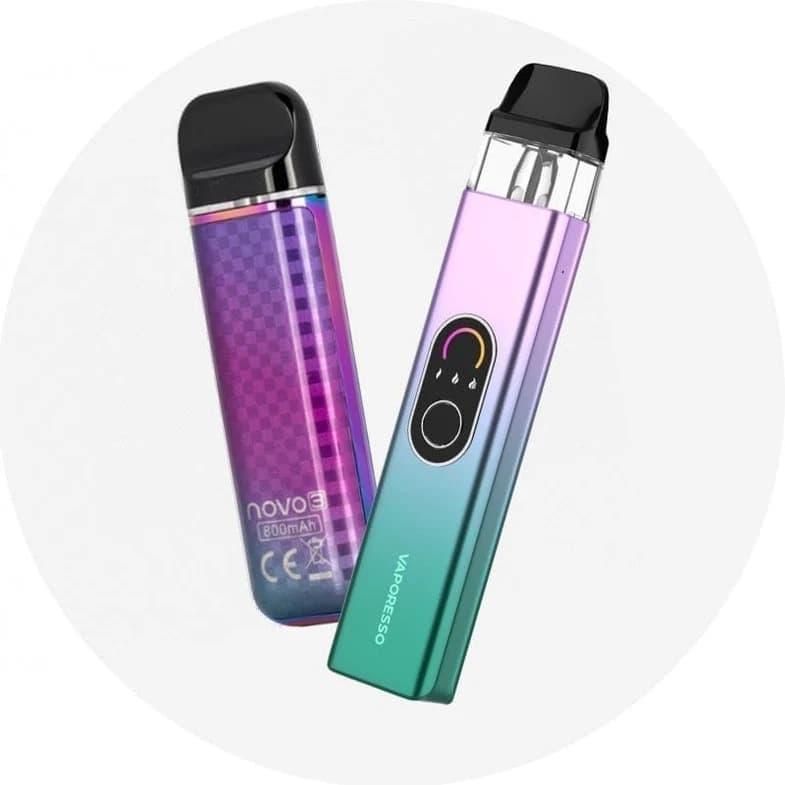
- Vaporesso — Offers versatile regulated devices with safety features, but spare 18650 or 21700 batteries demand careful handling.
Nicotine salt pod makers and convenience brands
Nicotine salt-focused e-cigarette brands such as NJOY, blu, and other pod companies emphasize simplicity—replaceable pods and sealed cartridges are easier to manage in travel gear.
Regulatory and airline basics: can you take e cigarette on a plane?
Short answer: usually yes in carry-on, no in checked baggage, with conditions. This general rule comes from major aviation authorities and carriers, but there are important details.
General rules enforced by many carriers
- e-cigarettes, vape pens and e-cigarette batteries must be carried in the cabin (carry-on) and are not allowed in checked baggage due to fire risk.
- Spare lithium batteries must be individually insulated (battery cases, tape over terminals) and kept in carry-on baggage.
- E-liquids must comply with the 3-1-1 liquids rule for carry-on on most international and domestic flights (containers of 100ml/3.4oz or less, all in one transparent resealable bag), though some airports or airlines add additional restrictions.
- Devices should be powered off and ideally protected from accidental activation (removable battery removed, safety locks engaged, or device stored in a protective case).
International variation and country-specific bans
Many countries have additional rules: Australia, Singapore, and some Middle Eastern countries have strict import or possession laws or require prescriptions for nicotine-containing e-liquids. Before departure, confirm the destination country’s stance on vaping. Even if your airline allows transport, local customs can seize devices or issue fines upon arrival. If in doubt, consult official government travel pages or the airline directly.
Airline and airport screening
Security agents may ask you to power on the device to demonstrate function. Pack devices where they are accessible and have any required documentation handy (manufacturer manual, receipts). Expect additional screening for devices with large batteries or built-in tanks with liquid inside.
Practical packing checklist and step-by-step tips
Follow this carry-on-oriented checklist to stay compliant and safe:
- Place all electronic cigarettes and spare batteries in your carry-on; do not pack them in checked luggage.
- Put spare batteries in a manufacturer case or insulating tape on terminals to prevent short circuits.
- Keep tanks empty or with minimal liquid if possible — sealed pods that prevent leaks are preferable.
- Adhere to the 3-1-1 rule for e-liquids (three categories: containers 100ml or less, one quart-sized sealed bag per passenger).
- Turn off or lock devices to avoid accidental activation; for devices with removable batteries, remove the battery and store it safely (still in carry-on).
- Use dedicated vaping travel cases to avoid damage and contain any accidental leaks.
- Print or save the airline’s policy and the IATA guidance in your phone to show security or gate staff if needed.
Battery specifics and watt-hour calculations
Most airlines follow IATA lithium battery guidance: batteries under 100 Wh are typically allowed in carry-on without approval; batteries between 100 Wh and 160 Wh require airline approval (usually for professional audio/video gear or medical devices); batteries above 160 Wh are prohibited. To calculate watt-hours (Wh): Wh = (mAh / 1000) × Voltage (V). For example, a 3000mAh 3.7V 18650 cell = (3000/1000)*3.7 = 11.1 Wh — well under the 100 Wh limit. If you carry multiple cells, ensure they are packaged safely and comply with quantity limits imposed by the airline.
Tips for minimizing hassle during security checks
- Keep devices easily accessible in a clear pouch near the top of your carry-on so you can remove them quickly if asked.
- Label or store devices in a case with small pockets for batteries and liquids; that helps security personnel inspect without handling greasy or leaking equipment.
- Bring a translated note if traveling to a country with unclear vaping rules — a short printout describing the device and indicating it is for personal use may help avoid misunderstandings.
- Avoid charging devices on the aircraft; airline policies and in-flight power supplies vary and some carriers prohibit charging e-cigarettes in-flight.
Practical scenarios and recommended actions
Short domestic flight with a small pod device
Pack the device in your carry-on, ensure the pod is sealed, batteries are in the device or in a case, and e-liquid follows 100ml limits. Expect minimal scrutiny.
 e-cigarette brands and can you take e cigarette on a plane explained with airline rules and packing tips” />
International flight to a country with restrictive laws
Check the country-specific regulations before travel. Consider leaving the device at home or buying disposable nicotine-free devices at destination if available. Many travelers choose to travel without nicotine-containing e-liquid to avoid customs confiscation.
Long-haul trip with spare batteries and mods
Pack spare batteries in protective cases, limit the number of spares to what you realistically need, and carry documentation for battery watt-hours if they are larger than typical 18650s. Request airline approval if any battery is between 100-160Wh.
Maintenance and leak-reduction advice
To reduce leaks and messy security checks: store pods upright in a sealed plastic bag, wipe down tanks before flight, and consider using silicone plugs for 510-thread tanks. For devices with removable coils, store unused coils separately to avoid mixing fluids. If you use e-liquid with nicotine salt, ensure the pod seals are intact and that you keep it away from extreme temperature changes which may increase pressure and leakage.
Buying advice by travel style
- Frequent flyers who need nicotine replacement: choose compact pod systems from top e-cigarette brands with sealed pods and integrated batteries.
- Backpackers and adventurous travelers: choose rugged, simple devices with minimal spare batteries and consider nicotine-free alternatives at destination.
- Power users and hobbyists: pack protective battery carriers and prepare documentation for high-capacity cells; consider shipping spare batteries ahead via approved courier if permitted and necessary.
Risk management and final recommendations
Always assume local law can override airline policy. If you have any doubt, double-check with the airline, consult IATA dangerous goods guidance, and verify the destination country’s import and possession rules. For contested or ambiguous cases, calling the airline or reviewing official government travel advisories eliminates surprises.
Key takeaways
- e-cigarette brands vary: pick devices that are compact, sealed, and robust for travel.
- can you take e cigarette on a plane? Most often: yes in carry-on, no in checked baggage, with spare batteries carried and insulated.
- Comply with liquids rules for e-liquids, pack carefully to prevent activation and leaks, and check destination laws.
Prepared with both product insight and travel regulations in mind, this guide aims to help you choose among the many e-cigarette brands, decide what to pack and how to answer the practical question: can you take e cigarette on a plane? Follow safety and legal rules, and your trip should be incident-free.
FAQ
Can I put my vape in checked luggage?
No. The majority of airlines prohibit storing e-cigarettes and spare lithium batteries in checked baggage due to the risk of thermal runaway and fire. Carry them in cabin baggage only.
How many spare batteries can I carry?
Policies vary by airline, but most carriers allow a reasonable number for personal use; all spares must be in carry-on and protected against short circuits. If in doubt, check with the airline’s dangerous goods contact.
Are disposable nicotine vapes treated differently?
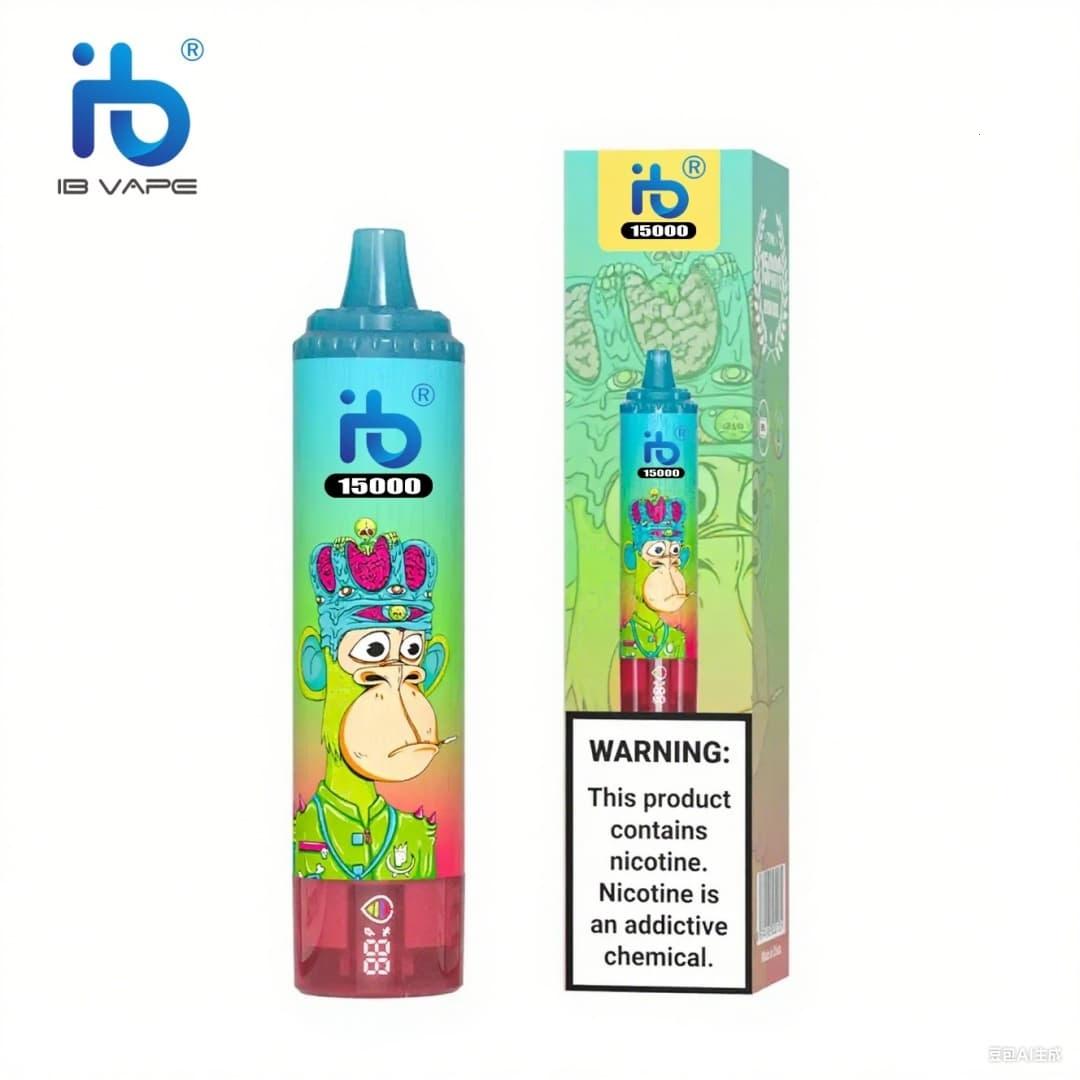
Disposable devices are generally allowed in carry-on, but liquids and nicotine content may affect rules. Some destinations prohibit nicotine vapes entirely. Verify local law before travel.
What if my destination bans vaping?
If vaping is prohibited at your destination, do not bring nicotine-containing devices or e-liquids. Consider alternatives such as nicotine replacement therapy (patches/gums) that comply with local regulations.