
Top choices for vaping devices and an evidence-based look at risks
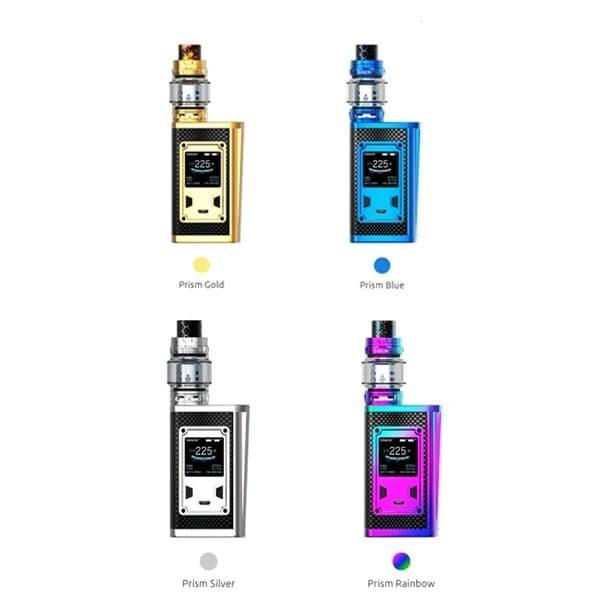
If you’re researching the best e-cigarette options or trying to understand how harmful are electronic cigarettes according to experts and the latest studies, this long-form guide will help you navigate device types, ingredients, user experiences, regulatory context, and health evidence so you can make informed decisions. The content below blends product-category advice, practical tips for safer use, and an objective summary of scientific findings about potential harms and benefits. Wherever possible, major themes are supported by consensus from public health agencies and peer-reviewed research, while also noting areas of ongoing uncertainty.
Overview: what “vape” and “e-cigarette” mean in practice
Electronic nicotine delivery systems (ENDS) include a wide spectrum of designs: disposable cigalikes, refillable pod systems, compact pod-mod hybrids, and larger box mods with refillable tanks. The performance, maintenance requirements, and user experience vary widely. When people search for the best e-cigarette, they typically look for a balance of throat hit, battery life, ease of use, reliability, flavor fidelity, and discreetness. For harm considerations, users most often ask how harmful are electronic cigarettes relative to combustible tobacco, how vaping affects young people, and what chemicals are inhaled during use.
Categories and practical pros/cons
1) Disposable pod devices
Disposables are convenient, inexpensive upfront, and require no maintenance. Pros: very easy to start, no refills or charging setup for many models, and simple flavor switching by changing the unit. Cons: ongoing cost can add up, limited battery life, higher environmental waste, and variable quality control. For those seeking the best e-cigarette in terms of simplicity, a reliable disposable can be a good starter option, but it may not be the cheapest per puff over time.
2) Refillable pod systems
Refillable pods strike a good balance between convenience and control. Pros: improved flavor economy, a range of nicotine strengths including nicotine salts for smoother nicotine delivery, and better long-term cost-efficiency. Cons: pods need replacement, coils can require occasional swapping, and maintenance is modest. Many public-health-minded consumers prefer refillable pods because they reduce single-use waste and offer more precise nicotine management.
3) Mod-style devices with tanks
Mods and sub-ohm tanks are designed for advanced users seeking performance—bigger clouds, stronger flavor, and customizability (coil types, wattage, airflow). Pros: best vapor production and flexibility; economical for heavy users. Cons: steeper learning curve, greater burn risk if misused, battery safety considerations (external batteries), and not suggested for people trying to quit smoking without prior knowledge of settings. These devices are rarely labeled as the best e-cigarette for beginners due to complexity.
4) Cigalikes and transitional devices
Cigalikes mimic the size and form of traditional cigarettes. Pros: familiar sensation for first-time switchers, often sold in pharmacies or stores; Cons: limited battery life and less satisfying nicotine delivery for many. They can be an initial step for those looking to switch away from combustible cigarettes.
How to pick the best device for you
- Define your goal: quitting cigarettes, reducing harm, maintaining nicotine intake, or recreational use.
- Consider nicotine form: nicotine salts (smoother at higher mg) vs freebase nicotine (traditional e-liquids).
- Check quality controls: reputation of manufacturer, clear ingredient labeling, and safety features like short-circuit protection and child-resistant packaging.
- Think about maintenance: do you want refillable coils and tanks or a low-maintenance disposable?
- Set a budget: initial cost vs ongoing e-liquid or pod expenses.
Careful selection of a device contributes to both user satisfaction and reduced accidental harms, such as burns or battery failures.
Ingredients and emissions: what’s in the aerosol?
The aerosol from e-cigarettes is primarily made of propylene glycol (PG) and vegetable glycerin (VG) as solvents, flavoring chemicals, nicotine (if used), and trace thermal breakdown products. Studies find how harmful are electronic cigarettes is correlated with both the composition of the e-liquid and the device’s operating temperature. At typical consumer settings, levels of many toxicants (such as tar, carbon monoxide, and many combustion byproducts) are substantially lower than in cigarette smoke. However, some compounds of concern—formaldehyde, acrolein, metals (from coil heating elements), and certain flavoring agents—can be present, especially at high power or improper coil conditions.
Flavorings and specific risks
Many food-grade flavorings are safe to eat but are untested for repeated inhalation. Diacetyl and related diketones, once common in butter-flavored e-liquids, have been linked to bronchiolitis obliterans with long-term exposure; regulators and manufacturers have reduced their use, but some unregulated products may still contain problematic compounds. This is one reason to prefer well-regulated products and avoid modifying devices or mixing unknown liquids.
Nicotine: dependence, dose, and delivery
Nicotine is the main psychoactive and addictive ingredient in most vaping liquids. The addictive potential depends on dose, rate of delivery, and frequency. Many modern devices (especially those using nicotine salts) can deliver nicotine efficiently and sometimes match cigarettes in how quickly they satisfy cravings. For people switching from cigarettes, that effective nicotine delivery can aid cessation by providing a familiar nicotine experience without combustion. However, nicotine is not benign: it affects cardiovascular function, can impact adolescent brain development, and is contraindicated during pregnancy. If your primary aim is to quit smoking, aim to reduce nicotine over time under guidance if possible.
Comparative harm: what does the evidence say?
Public health agencies generally position e-cigarettes as less harmful than combustible cigarettes because they eliminate combustion byproducts, which are the major drivers of smoking-related disease. Landmark reports and systematic reviews indicate a reduced exposure to many carcinogens and oxidants with exclusive vaping compared to smoking. But “less harmful” is not “safe”: long-term effects are still being researched, and recent epidemiological studies link vaping with respiratory symptoms and potential cardiovascular signals in some cohorts. Thus one major takeaway is that while vaping may serve as a harm-reduction tool for adult smokers who switch completely, it is not risk-free—particularly for non-smokers, youth, and pregnant people.
Population-level concerns
Research and surveillance have raised concerns about youth uptake, with flavors and social factors driving experimentation. The trend of adolescent use increases the chance of nicotine dependence and may lead some to combustible cigarette use, though causal relationships are complex and debated. Regulators in many jurisdictions now restrict flavors, age of purchase, and marketing practices to mitigate youth appeal. When assessing how harmful are electronic cigarettes on a population level, one must balance the potential public-health benefits if many adult smokers switch completely against the harms if young non-smokers initiate nicotine use.
Acute risks and safety tips
- Battery safety: Always use manufacturer-recommended batteries and chargers, avoid mechanical mods without knowledge, and never use damaged batteries to limit fire or explosion risk.
- Coil burn/bad taste: A harsh, charred taste suggests dry-hit or burnt coil; stop and change coil to avoid inhaling degraded compounds.
- Contaminated liquids: Purchase from reputable manufacturers and avoid DIY mixes made with unknown ingredients. Strong or unusual reactions warrant medical attention.
- Allergic reactions: Some users may react to PG or flavor compounds; switching to higher-VG liquid or different flavors may help.
Regulation, quality control, and how to evaluate claims
Markets vary: some countries have strict product standards, public health messaging, and age restrictions, while others are less regulated. When evaluating manufacturer claims about being the best e-cigarette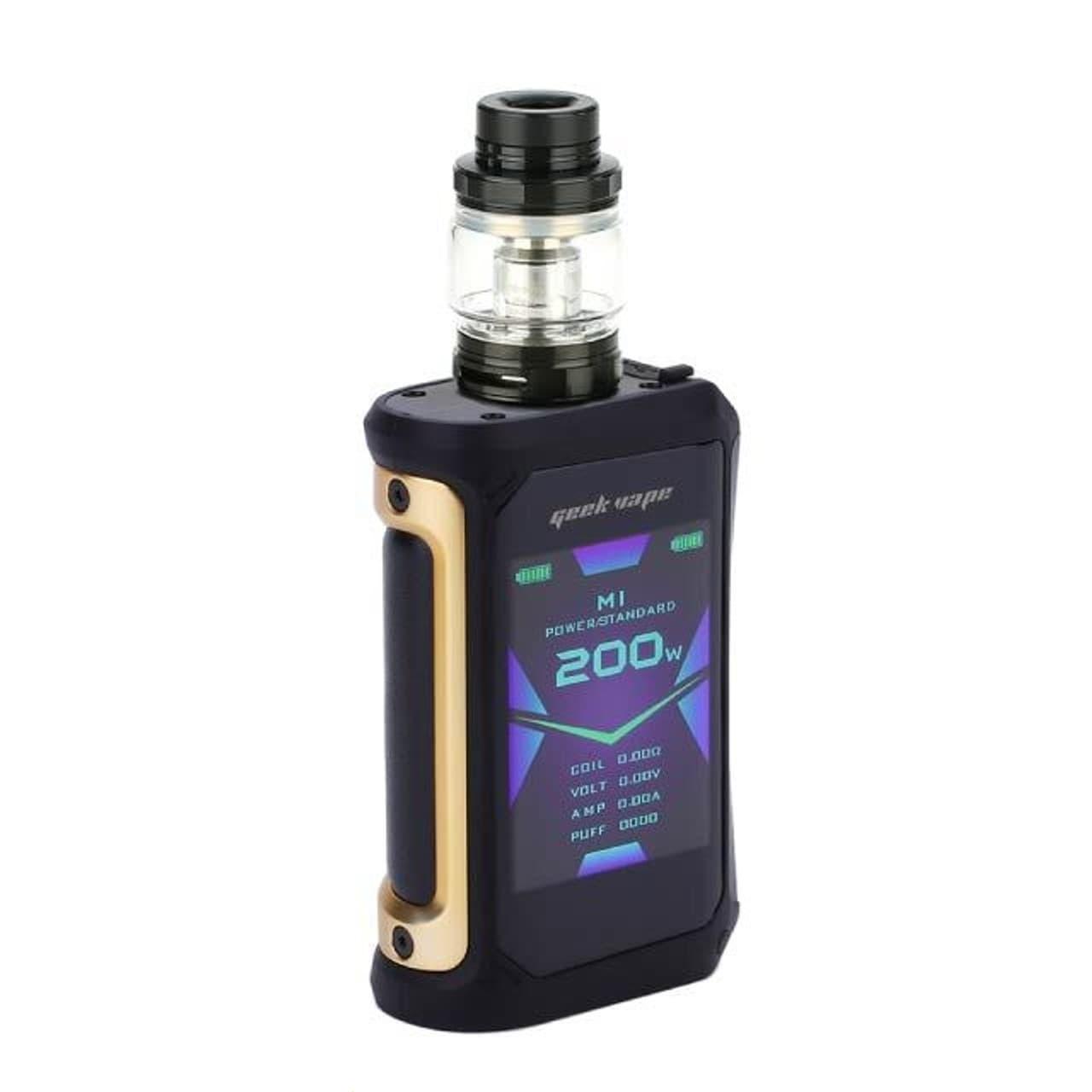 —such as “pharmaceutical grade” or “doctor recommended”—seek independent testing, look for clear ingredient lists, and prefer products with third-party lab certificates that test for nicotine content, contaminants, and flavoring purity.
For smokers considering switching
Experts generally recommend that smokers who cannot quit using approved cessation methods consider less-harmful alternatives rather than continuing to smoke. Vaping can be used as a quitting aid in some programs, often combined with behavioral support. If you opt to switch, choose a device that reliably delivers nicotine at a level that suppresses cravings, and have a plan to taper nicotine over time if that is your goal.
For non-smokers and youth
If you do not currently smoke, starting to vape exposes you to unnecessary risks. The safest course is to avoid nicotine-containing products. For parents and educators, focus on prevention, clear communication about addiction, and limiting access via age verification and safe storage.
The research frontier: what we still need to know
Key open questions include long-term respiratory and cardiovascular outcomes, the effects of chronic inhalation of various flavoring mixtures, and the real-world population impact of vaping on smoking cessation and initiation. Large, long-duration cohort studies and improved product surveillance are active areas of research. Meanwhile, clinicians and public-health experts emphasize moderation, regulation, and targeted messaging to protect vulnerable groups.
Practical checklist: choosing and using a device responsibly
- Set a primary objective (quit smoking, reduce cigarettes, recreational nicotine) and choose a device aligned with that goal.
- Prefer products with transparent ingredients and third-party lab testing results.
- Avoid high-temperature settings and modifications that are not recommended by the manufacturer.
- Use proper battery handling and storage practices; follow charger instructions and avoid overnight charging unattended.
- Keep devices away from children and pets; nicotine liquids are toxic when ingested or absorbed through skin.
Examples of good practice in device selection (by user type)
Beginner smoker switching: a reliable refillable pod with nicotine-salt e-liquids for smoother delivery. Heavy smoker wanting cloud production: a regulated mod with sub-ohm tank, but only after learning about battery safety and coil building. Cost-conscious vaper: refillable pod or well-reviewed starter kit with low ongoing coil replacement costs. Recreational, non-nicotine user: high-VG e-liquids in a modest-power device to focus on flavor and vapor without nicotine dependency risks.
Summary: balancing benefits and risks
When people search for the best e-cigarette, they are looking for reliability, safety features, and a user experience that matches their needs. When asking how harmful are electronic cigarettes, the answer is nuanced: vaping eliminates many of the most dangerous combustion products found in cigarettes and can reduce exposure to carcinogens and certain toxicants, but it is not harmless. The harm profile depends on product quality, user behavior, nicotine exposure, and demographic factors. For adult smokers seeking to quit, switching completely to vaping may reduce harm relative to continued smoking; for non-smokers—especially youth and pregnant people—initiation of vaping introduces avoidable risks.
Key takeaways
- Choose products with transparent labeling and safety certifications; avoid modifying devices beyond manufacturer guidance.
- Prioritize readiness to quit or reduce combustible tobacco; use vaping as a potential harm-reduction pathway under a plan.
- Protect youth: limit flavor-driven appeal and access, and support prevention programs.
- Monitor ongoing research: guidance may evolve as long-term data become available.
Resources and next steps
Look for reputable, up-to-date sources such as national public health agencies, systematic reviews, and longitudinal cohort studies for the latest evidence on how harmful are electronic cigarettes. When selecting the best e-cigarette for your goals, combine product quality checks with a clear behavioral plan and, where appropriate, professional medical advice for nicotine reduction or cessation strategies.
FAQ
Can switching to a vape eliminate my risk?
No, switching to vaping reduces many—but not all—risks compared to smoking. It lowers exposure to combustion-related toxicants but still involves inhaling chemicals and often nicotine, which carry health implications.
Are some e-cigarettes safer than others?
Yes. Products from reputable manufacturers with transparent ingredient lists, third-party lab testing, and safety features are preferable. Avoid unregulated devices, unknown refills, or DIY mixes from unreliable sources.

Is vaping effective for quitting smoking?
Evidence suggests vaping can help some smokers quit cigarettes, especially when combined with behavioral support. The effectiveness varies, and long-term studies are ongoing. Consider consulting cessation specialists for tailored plans.