
E-cigarettes have been a topic of debate and curiosity for many years, especially concerning their ingredients and potential health effects. As we delve into the question, “what are the ingredients in e-cigarettes,” it is crucial to understand the fundamental components present in these devices.
Key Components of E-Cigarettes
E-cigarettes typically contain a combination of the following ingredients: nicotine, propylene glycol, glycerin, flavorings, and various additives. Each of these components plays a distinct role in the functioning and appeal of e-cigarettes.
Nicotine
Nicotine is one of the primary ingredients in e-cigarettes, sourced from tobacco plants. It is responsible for the addictive nature of smoking and is a significant contributor to why many people use e-cigarettes as an alternative to traditional cigarettes.
Propylene Glycol
Propylene glycol is a synthetic liquid substance that helps to vaporize the mixture within e-cigarettes. It is a common ingredient in many pharmaceuticals and food products, known for its ability to dissolve flavors and nicotine while creating a visible vapor when heated.
Glycerin
Glycerin, often referred to as vegetable glycerin, is another core ingredient. It is thicker than propylene glycol and is known for producing denser clouds of vapor. It is derived from plant oils and adds a smoothness to the vaping experience.
Flavorings

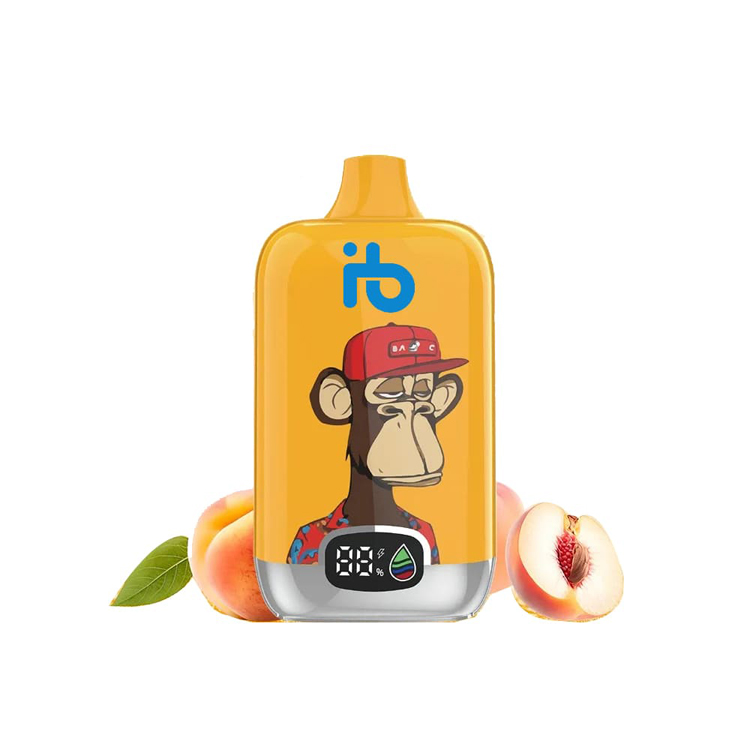
Flavorings in e-cigarettes are what make them appealing to a diverse group of users. These can range from traditional tobacco flavors to fruity, candy, or dessert flavors. These flavorings are similar to those used in food and are key to enhancing the overall experience.
Additives
Various additives can be found in e-cigarettes to improve taste and shelf-life. These additives can vary by brand and manufacturer, but they usually include preservatives, stabilizers, and sweeteners to create a more enjoyable product.
E-cigarettes might also contain trace amounts of metals due to the heating elements and other parts of the device, although these amounts are usually minimal compared to traditional tobacco products.
Impact of E-Cigarette Ingredients
The impact of e-cigarette ingredients varies depending on the component. Nicotine, while stimulating, can lead to addiction and various health risks such as increased heart rate and blood pressure. However, some users turn to e-cigarettes to reduce the harm associated with cigarette smoking.
Propylene glycol and glycerin are generally regarded as safe for consumption, but inhalation may pose different risks, including potential irritation to the respiratory system.
The flavorings themselves have been under scrutiny, as certain compounds, like diacetyl, have been linked to respiratory ailments when inhaled even though they’re safe for ingestion.
A consistent concern is the lack of exhaustive research regarding the long-term effects of e-cigarette use, leading scientists and health professionals to recommend caution.
Another aspect to consider is the manufacturing process and regulatory oversight, which may vary across different geographical regions and brands, further complicating evaluations of safety.
FAQs:
Q1: Are e-cigarette ingredients regulated?
While there are regulations in some countries concerning e-cigarette ingredients, the extent and enforcement of these regulations can vary significantly.
Q2: Can e-cigarettes help quit smoking?
Some individuals have successfully used e-cigarettes as a part of smoking cessation efforts, although results may vary and further research is recommended.
Q3: Are there non-nicotine e-cigarettes?
Yes, there are e-cigarettes that do not contain nicotine, marketed toward users who wish to enjoy vaping without the addictive substance.