
As the popularity of e-cigarettes continues to rise, so does the scrutiny regarding their safety and regulation. Authorities worldwide are taking action to regulate these products, especially concerning which e-cigarettes are banned. Understanding what e-cigarettes are prohibited requires diving into the nuances of regulations that vary from country to country. The landscape of e-cigarette regulations is both complex and dynamic, reflecting ongoing public health debates, scientific discoveries, and consumer trends.
Overview of E Cigarettes Bans
E-cigarettes, also known as vapes, are devices that vaporize a liquid, typically containing nicotine, for inhalation. Despite their popularity as alternatives to tobacco smoking, concerns about their safety have led some places to impose bans. Such bans can be total, affecting all forms of e-cigarettes, or partial, restricting specific models or formulations.
Countries with Comprehensive Bans
Many countries have opted to prohibit the sale and distribution of e-cigarettes completely. Australia, for example, has stringent regulations making nicotine e-cigarettes illegal without a prescription. In India, the sale of e-cigarettes is entirely banned to protect public health, especially among the youth. Brazil and Argentina similarly ban the sale of any vaping products.
Specific Bans on Flavored E Cigarettes
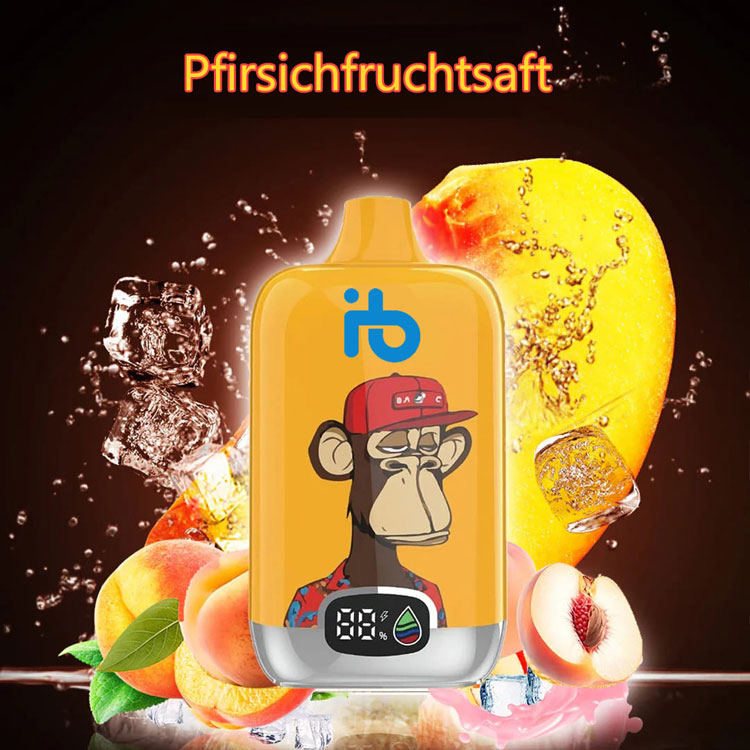
In regions such as the United States, certain e-cigarette products are banned primarily because of their appeal to underage consumers. The FDA has targeted flavored e-cigarettes for restrictions, driven by the idea that such flavors entice younger individuals to start vaping. For instance, flavored cartridges (except tobacco and menthol) have been prohibited in an attempt to reduce youth vaping.
Bans highlight concern for safety and youth attraction making regulation complex.
Regulations Beyond the Ban
The regulation of e cigarettes extends beyond outright bans. Countries may choose to regulate their sale—for instance, through age restrictions, taxation, and advertising bans. The EU has implemented the Tobacco Products Directive, restricting e-cigarette advertising and mandating health warnings on packaging. Understanding the global regulatory landscape requires an intricate look at how different regions perceive these products’ risks and benefits.
Future Trends in E Cigarette Regulations
The future of e-cigarette regulation is likely to see more stringent measures as research provides new insights into their health impacts. Existing evidence suggests potential harm, which could lead to expanded bans or enhanced regulations. The influence of public opinion and scientific research will shape these regulations continuously.
Moreover, the issue of regulating e-cigarettes is connected with broader trends in tobacco policy. Organizations such as WHO are increasingly pressuring governments to act decisively on vaping products to improve public health outcomes.
FAQs on E Cigarettes Banned Products

What types of e cigarettes are most commonly banned?
Flavored e-cigarettes, especially those appealing to youth, face the most restrictions. Alongside nicotine-containing products, these types are often targeted in regulatory bans.
Can I legally purchase e cigarettes if they are banned in my country?
Purchasing or using e-cigarettes in regions where they are banned can result in legal penalties. It’s crucial to understand local regulations before attempting to acquire them.
Why are flavored e cigarettes specifically restricted?
Flavored e-cigarettes are believed to attract younger users, posing significant risks for addiction and public health concerns. Restricting these products is part of efforts to minimize these risks.