
Understanding How Leading Makers and Coil Materials Influence Vaping Taste, Power and Longevity
In the crowded vaping market, discerning users learn quickly that not every product performs the same. A combination of top-tier e-cigarette brands and the right e cigarette coil wire selection determines flavor fidelity, vapor density, and coil lifespan. This comprehensive guide explores the technical and sensory factors that connect brand design choices with coil chemistry and geometry, delivering an actionable roadmap for vapers who want consistent taste and reliable performance.
Why brands matter beyond marketing
When people talk about the best e-cigarette brands, they’re often referring to a package of qualities: manufacturing tolerances, quality control, materials sourcing, internal engineering, and an ecosystem of compatible tanks, coils, and firmware. Brands that invest in research and development tend to standardize coil housing dimensions, offer matched resistance options, and provide genuine spare parts that fit precisely. These factors influence how well a coil wicks e-liquid, how evenly a coil heats, and therefore how flavor and vapor are produced. In short, a reputable maker reduces unwanted variability so the only difference you notice is the taste you want.
Core coil wire types and their flavor profiles
Understanding the metal that comprises the heating element is fundamental for flavor and longevity. The most common materials are:
- Kanthal (FeCrAl) — Known for stability and affordability, Kanthal in standard wattage modes provides a warm, saturated flavor and predictable lifespan. It oxidizes and forms a stable oxide layer that can change break-in behavior.
- Nickel (Ni200) — Primarily used for temperature control (TC), Ni200 offers a fast response but is slightly metallic in taste if misused; it’s not suitable for wattage mode due to resistance drift.
- Stainless Steel (SS316/SS317) — Versatile for both wattage and TC modes, many vapers praise stainless steel for neutral taste and quick ramp-up. It resists corrosion and performs well with varied e-liquids.
- Nichrome (Ni80, Ni60) — Fast ramp-up and crisp flavor; it heats quickly and tends to produce a clean, bright flavor profile with good coil life if paired with correct wattage.
- Exotic/alloys and wrapped builds — Claptons, fused claptons, and complex multi-core builds can boost surface area for enhanced flavor but require precise wattage control and good wicking to avoid dry hits.
Coil geometry and wire gauge — more than numbers
Coil shape (round, flattened, ribbon) and gauge (thickness measured in AWG) directly change heating characteristics. Thicker wire (lower AWG) holds heat longer and suits higher wattage, while thinner wire (higher AWG) heats faster but may burn out sooner. Advanced builds such as spiral wraps or staged heating profiles create gradients of temperature, which can enhance flavor complexity but often reduce absolute coil life if not wicked properly.
Surface area vs mass trade-offs
More surface area equals more e-liquid contact, which typically means stronger flavor and denser vapor. However, increased surface area often comes with greater exposure to e-liquid and more potential for gunk buildup. Conversely, heavier mass wires like thick round wire may last longer but take longer to reach ideal vaporizing temperature, which can mute peak flavors in quick-draw setups.
How brand engineering affects coil lifespan
Top e-cigarette brands invest in precision tooling and QA, which yields coils with consistent resistances and better wick channels. A coil that sits perfectly inside its housing allows cotton to absorb efficiently without localized dry spots, decreasing burnt tastes and extending usable life. Furthermore, brands often control the spacing between airflow, coil, and chimney length: small changes here create different condensation patterns and residue deposition rates. If you pair a high-quality coil from a respected maker with properly matched e-liquid and wattage, coil longevity improves markedly.
E-liquid composition and coil durability
E-liquid ingredients are a decisive variable. High-VG blends create thicker vapor and coat coils faster, which can accelerate gunk accumulation on complex coils like Claptons. High-PG liquids wick faster but are thinner and can lead to faster evaporation at the same wattage, sometimes stressing coils. Sweeteners and dessert-like flavorings caramelize quickly, leaving tacky residues. Selecting appropriate coils for your preferred e-liquid type is an essential compatibility choice: some e-cigarette brands design coils specifically for sub-ohm VG-heavy e-liquids, while others tailor coils for mouth-to-lung (MTL) higher-resistance setups and PG-dominant e-liquids.
Temperature control vs wattage modes
Temperature control compatible wires such as SS and Ni200 give you a tool to prevent overheating and extend coil life, but TC requires accurate firmware and tanks that support the chosen wire type. Switching to TC on compatible devices can reduce dry-burn incidents and protect cotton. Wattage mode gives a straightforward way to tune flavor intensity but can burn coils if set too high. Many modern e-cigarette brands calibrate recommended wattage ranges for each coil, and following those ranges is one of the simplest ways to increase lifespan while maintaining excellent flavor.
Practical maintenance practices to lengthen coil life
- Prime new coils thoroughly: saturate the wick and let it rest before use to prevent dry spots.
- Start at the lower end of the recommended wattage for the first few draws and gradually increase. This “break-in” helps achieve balanced heating.
- Use clean, high-quality e-liquids without excessive sweeteners where possible, or reserve heavily sweetened flavors for dedicated coils.
- Periodically pulse-coil at low wattage off the wick or while wet to dislodge light residue, but avoid aggressive dry burns on cotton-filled coils.
- Rinse rebuildables gently in warm water between changes and dry thoroughly to avoid trapped moisture and degraded cotton tastes.
Choosing between branded prebuilt coils and custom builds
Both options have merits. Factory coils from trustworthy e-cigarette brands are convenient and precise; their resistances and wicking materials are matched to the tanks they’re sold with. Custom coil building offers flexibility: you can select wire type, gauge, and wrap style tailored to your flavor priorities. However, DIY coils demand knowledge of Ohm’s law, battery safety, and consistent build techniques. Newer vapers often benefit from branded coils while learning the principles of coil resistance, ramp-up time, and wicking behavior.
Wire gauges, wraps and ohm considerations
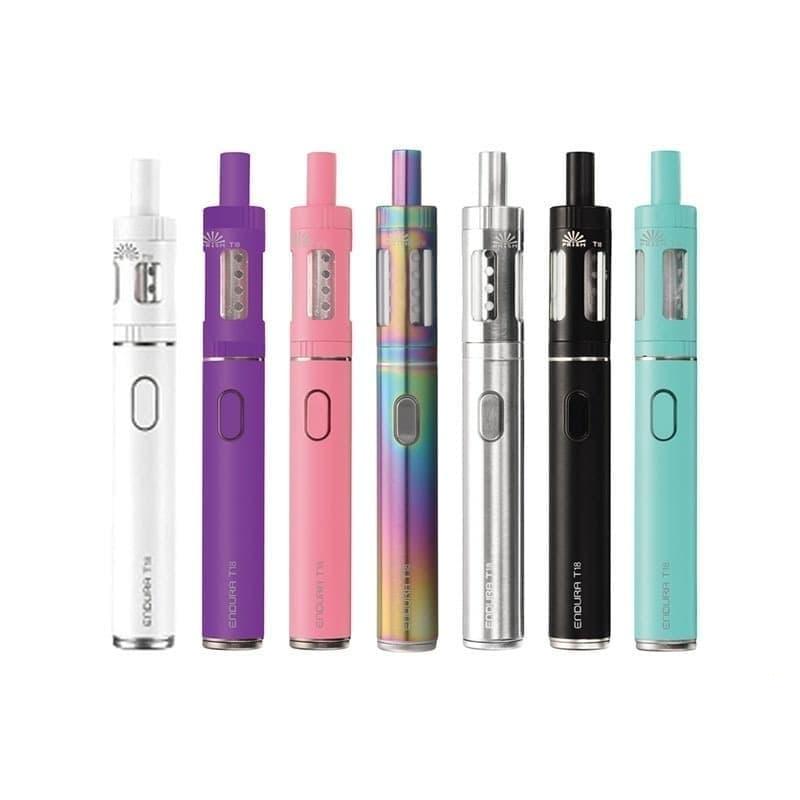
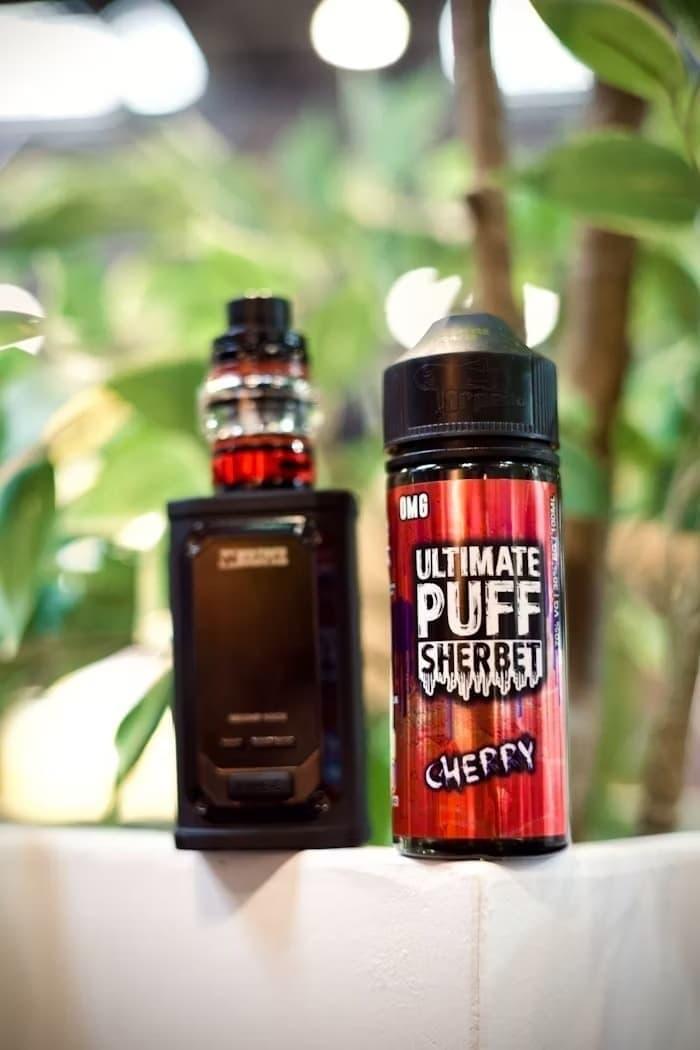 e-cigarette brands and e cigarette coil wire Choices Shape Flavor Performance and Coil Lifespan” />
When constructing a coil, the wire gauge and wrap count dictate resistance and mass. Lower overall resistance increases power draw and vapor volume but requires batteries and devices rated to handle the load. If you use hybrid builds or multiple parallel cores, expect different thermal characteristics and possibly reduced lifespan due to complex hot spots if the build isn’t perfectly symmetrical. Many top e-cigarette brands provide clear specs to help you choose compatible batteries and recommended coil configurations, lowering the risk of underperforming combinations.
Compatibility matrix: device, tank, and coil wire
HQ brands typically publish compatibility charts so users can pair sub-ohm tanks with sub-ohm coils and MTL tanks with higher resistance heads. Matching a vape mod’s power ceiling with coil resistance and the wire’s rated wattage ensures safe, flavorful sessions. A mismatch—like pushing a delicate nickel coil with too much wattage—can lead to rapid failure and poor flavor. A well-integrated brand ecosystem simplifies matching and creates consistent user experiences.
Signs a coil is nearing end-of-life and how to extend it
Common symptoms include muted flavor, increased throat hit, darkened e-liquid, and spitback. Residue buildup and clogged airflow paths are also telltale signs. Techniques to stretch usable life include switching e-liquids to less sweet blends, gently rinsing rebuildable atomizers, and avoiding chain vaping that overheats the wick. Another tactic is rotating flavors across multiple coils so each coil sees less concentrated residue per flavor type.
When to replace vs repair

A prebuilt coil with heavy gunk or reduced cotton integrity is usually best replaced. Rebuildable setups give you the option to rewick or rewrap depending on wire condition. If the wire is structurally intact but the cotton charred, a rewick is often sufficient; if the wire itself is oxidized or broken, a full rebuild is safer.
Top-performing coil wire pairings by flavor style
– For bright, sharp fruity notes: consider Ni80 or SS316 with tighter wraps and higher power for quick ramp-up and clean delivery.
– For warm, dessert-style richness: thicker Kanthal builds at steady wattage often accentuate natural caramelization—use moderately low wattage to avoid premature gunk.
– For hybrid or complex e-liquids: fused claptons with a neutral core like SS yield layered flavor but need careful wattage calibration.
Buying tips and avoiding counterfeit coils
Counterfeits plague popular e-cigarette brands. Tips to avoid fakes: buy from authorized retailers, inspect packaging for holograms and lot numbers, compare physical dimensions with official specs, and verify resistance ranges against the brand’s documentation. Cost savings from suspiciously cheap coils often translate into poor fits, inconsistent resistance, and reduced lifespan.
Environmental and health considerations
Proper disposal of used coils and cotton matters. Metals and saturated wicks should be disposed of according to local electronic waste guidelines when possible. Additionally, safety procedures—like avoiding contact with bare wire ends and using batteries rated for your builds—reduce risk. Reliable brands typically include safety guidance and testing information which helps reduce vaping-related incidents.
Practical checklist before you vape
- Confirm coil type and material match your device (wattage/TC compatibility).
- Prime the wick and rest for several minutes.
- Start at low wattage and increase gradually to the recommended range.
- Choose an e-liquid consistency that suits the coil geometry (high-VG with wide-bore sub-ohm; balanced PG/VG for MTL).
- Monitor coil color and taste; schedule replacements proactively.
Future trends: materials and micro-engineering
Expect ongoing innovation as brands explore hybrid alloys, engineered ribbon wires, and novel surface treatments that resist gunk while preserving flavor. Additive manufacturing and tighter quality controls from leading e-cigarette brands will push coil life and consistency higher, while user-configurable firmware may optimize power delivery by wire type for ideal flavor curves.
Conclusion: an integrated approach to best flavor and longest life
The interplay between trustworthy manufacturer design and the correct e cigarette coil wire selection is the foundation of reliable, flavorful vaping. Choose respected brands that provide clear specifications, match coil geometries to your e-liquid of choice, adopt basic maintenance practices, and understand the fundamental trade-offs between flavor intensity and coil durability. Whether you prefer factory-made heads or building custom coils, focusing on material, geometry, and power management will yield the most satisfying results.
FAQ
Q: How often should I change a prebuilt coil?
A: Typical lifespan ranges from 1 to 3 weeks depending on e-liquid sweetness, vaping frequency, and wattage. Heavily sweetened juices and high wattage shorten life.
Q: Can I use any wire in temperature control mode?
A: No. Only wires with predictable resistance-temperature curves (like Ni200 and SS) are suitable for TC; Kanthal does not behave consistently for TC systems.
Q: Does higher wattage always mean better flavor?
A: Not necessarily. Higher wattage can increase vapor and intensity but also speeds residue buildup and can degrade delicate flavor notes. Follow recommended ranges for each coil and adjust to taste.
By aligning device capabilities, manufacturer guidance, and thoughtful coil wire selection, vapers can unlock richer flavors, safer operation, and longer coil life—making every puff more predictable and more enjoyable.