
IBVape |can i bring e cigarette on plane
Traveling with vape gear requires a mix of preparation, awareness of rules, and smart packing. This guide focuses on how to travel safely with IBVape products, answers the common question IBVape |can i bring e cigarette on plane, and provides practical packing tips to minimize stress at the airport and avoid confiscation or fines. Whether you’re taking a short domestic hop or a long-haul international flight, these recommendations are designed to help you comply with airline and aviation authority regulations while protecting your equipment and liquids.
Top-Level Principles for Air Travel with Vaping Gear
When preparing to travel, keep three high-level principles front of mind: safety first, check before you go, and pack smart. Safety includes lithium battery handling and preventing accidental activation. Checking means reviewing your airline’s policy, the departure and arrival country’s laws, and up-to-date guidance from aviation authorities like TSA, IATA, and EASA. Packing smart combines organization, protective cases, and correct placement in carry-on luggage.
Why rules exist
Regulations around e-cigarettes and spare batteries are primarily about reducing fire risk, preventing device activation inflight, and ensuring compliance with international safety standards. Lithium-ion batteries can cause fires if damaged or short-circuited, and open flame items or combustible liquids are regulated. Understanding this context helps you make safer choices for both your gear and fellow passengers.
Carry-on vs Checked Baggage: The Most Important Rule
The consensus among most airlines and aviation authorities is clear: vape devices and spare batteries belong in carry-on luggage. Checked baggage subjects lithium batteries and devices to greater temperature and pressure variations and makes a fire far harder to detect and extinguish. Therefore, always keep devices, batteries, power banks, and e-liquids with you in the cabin.
- Device placement: Place IBVape devices in an accessible, padded compartment of your carry-on bag.
- Spare batteries: Remove batteries from external chargers or devices and keep them in protective insulating sleeves or their original packaging.
- Power banks: Must be carried in carry-on and often are limited by watt-hours (Wh). Most airlines allow power banks up to 100 Wh without approval and 100–160 Wh with airline approval; above 160 Wh are usually prohibited.
Liquid Limits and E-Liquids
Standard liquid rules for cabin luggage (e.g., the 3-1-1 rule in the US and similar EU limits) apply to e-liquids in many jurisdictions: containers generally must be 100 ml (3.4 oz) or less and fit within a single clear, resealable quart/liter bag. However, there are important nuances:
- Some countries or carriers treat nicotine-containing e-liquids differently or impose additional restrictions.
- When in doubt, carry unopened bottles in original packaging and ensure they are clearly labeled.
- Large quantities of e-liquid intended for resale are often disallowed in cabin luggage and may be subject to customs restrictions at your destination.
Practical IBVape packing tip:
Put travel-sized e-liquid bottles in a resealable transparent bag and keep it near the top of your carry-on so you can present it quickly at security.
Handling Batteries, Mods, and Pod Systems
Modular devices with removable batteries need special attention. If you use IBVape mod-style devices with removable cells, follow these steps: remove cells before security screening, protect terminals (store cells in dedicated battery cases or tape terminals), and never place loose batteries in pockets or with metal objects. Non-removable battery devices (integrated pods) should be switched off and stored in your carry-on.
Quick checklist: device off, tank empty or capped, batteries insulated, all in carry-on.
Battery capacity and airline limits
Power banks and spare batteries are measured in watt-hours (Wh). A simple conversion (mAh × V / 1000 = Wh) helps determine compliance. Most consumer vape batteries are within common limits, but always verify if your travel involves extended battery banks or custom high-capacity cells.
What to Expect at Security
Security agents may ask to inspect devices and e-liquids. Cooperate, keep items accessible, and have receipts or manufacturer information handy if needed. Many agents will request devices be switched on to prove they function as an electronic device; be prepared to hand them a powered-on device if asked. To avoid spills and confusion, secure tanks with caps and keep spare bottles upright.
Common security interactions:
- Device inspection: possible physical check or X-ray screening.
- Battery inspection: may be asked to remove battery from device for examination.
- Liquid checks: standard container inspection, may ask to open to verify contents.
Airline and Destination Variations
Policies vary. While most US and EU airlines allow e-cigarettes in cabin luggage, some carriers and countries ban them entirely or permit them only under specific conditions. For example, some Middle Eastern and Southeast Asian countries have strict prohibitions on vaping and e-liquid importation that can result in fines or arrest. Therefore, a proactive check is essential: consult the airline’s hazardous goods guidance and the embassy or government website of your destination.
Steps to verify rules:
- Visit your airline’s official website and search “vaping”, “e-cigarette”, or “lithium battery”.
- Check government travel advisories and customs restrictions for your destination.
- Contact customer service if policy language is unclear.
Onboard Behavior: What You Must Never Do
Under no circumstances may you use or charge a vaping device on board. In-flight vaping is prohibited by virtually all airlines and could result in penalties, fines, or being met by authorities upon arrival. Never attempt to charge devices using aircraft power outlets or USB ports—this can trigger smoke detectors and create serious safety issues.
IBVape-Specific Tips for Stress-Free Travel
IBVape customers can benefit from brand-aware packing strategies that protect gear and comply with rules.
- Use a rigid, padded travel case to protect tanks, mods, and fragile glass bottles from impact and pressure.
- Empty or partially empty tanks to reduce the chance of leakage due to pressure changes; cap them securely.
- Label your kit: include a small note with brand and model info, particularly for unfamiliar airport staff.
- Bring spares: coils and small parts are inexpensive backups; keep them organized in small containers to avoid spillage.
Packing layout suggestion
Place the travel case in the middle compartment of your carry-on, liquids bag near the top, and batteries in a smaller internal pocket for quick access. Keep original manuals or product documentation where possible—they can clarify device specs during an inspection.
Preparing for International Customs
Beyond airline screening, customs may inspect carried items arriving at your destination. Some jurisdictions prohibit the import of nicotine-containing products or limit quantities. If you’re planning to carry more than personal-use amounts, prepare to declare them. In some countries, possession of vaping devices alone can be an offense—always verify local laws to avoid serious consequences.
Helpful tip:
Print or save a screenshot of the airline policy and any relevant government guidance before you leave; offline access can be invaluable if internet connectivity is limited at the airport.
What to Do If an Item Is Confiscated
If an item is confiscated at security, calmly ask for documentation or a receipt. Some airports return confiscated items at the gate or have a lost-and-found process. If you believe the confiscation was in error, keep any paperwork and follow up with the airport’s administration office. Avoid arguments with frontline staff—remain polite and escalate through formal complaints if necessary after your travel concludes.
Emergency Safety Practices
In the unlikely event of a battery malfunction, notify crew immediately. Do not attempt to use water on a lithium battery fire; follow crew instructions for handling battery incidents. At home or in hotels, store batteries and devices away from high heat and never leave charging devices unattended.
Quick emergency actions:
- Stop using a device that gets unusually hot.
- Place a faulty battery in a non-flammable area away from other items.
- Use a fire-proof battery bag for transporting questionable or damaged cells—better to replace than risk an incident.
Checklist Before You Leave Home
Use this pre-departure checklist to reduce surprises: IBVape |can i bring e cigarette on plane checklist—pack devices in carry-on, protect and insulate spare batteries, limit e-liquids to allowed sizes, bring original packaging or receipts, verify airline and destination rules, and anticipate security inspections.
- Devices off and empty or capped tanks.
- Spare batteries in protective cases and in carry-on.
- E-liquids packed in clear, resealable bag within size limits.
- Power banks ≤100 Wh or approved if between 100–160 Wh.
- Documentation and receipts for high-value items.
Special Situations and Exceptions
Medical nicotine replacement: If you rely on nicotine as a medical necessity, carry relevant medical documentation. Some airports may treat medical devices differently; however, you still must follow battery and liquid regulations.
Airline standby and connecting flights
If your itinerary includes connections in countries with stricter rules, you must comply with the most restrictive regulation encountered. When in doubt, avoid bringing large quantities of e-liquid or unfamiliar devices that could be treated as contraband.
Brand warranty and service notes: If your IBVape device is new or under warranty and you are travelling with it for replacement or service, include purchase receipts and warranty documentation. This can speed inspections or claims processing if issues arise.
How to Find Official Guidance Quickly
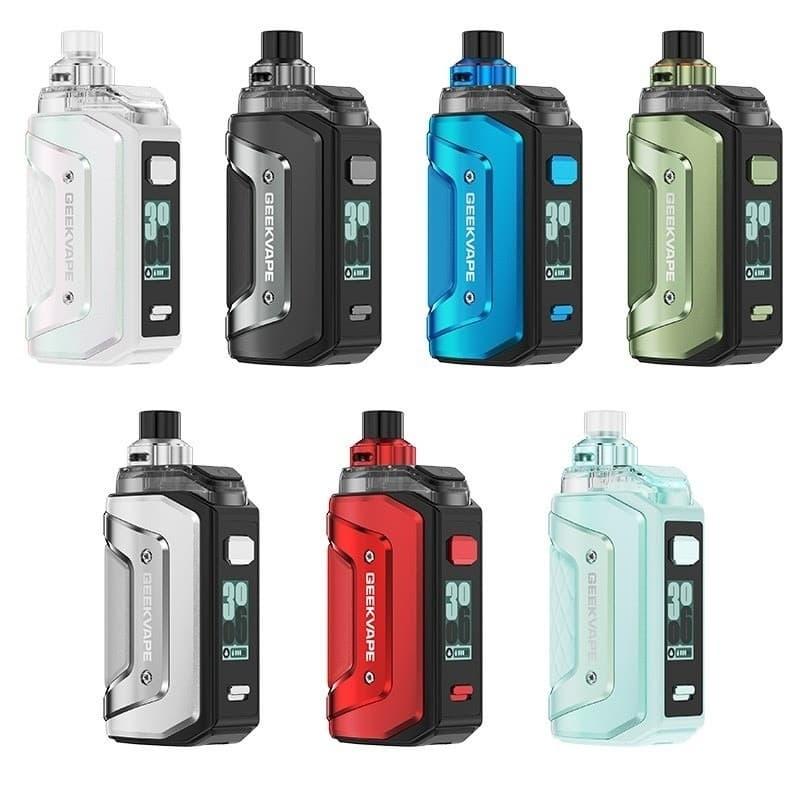
Trusted sources include airline webpages, the TSA (or equivalent national security authority), IATA guidance documents, and official government travel advisories. Use official search terms like “vape policy”, “e-cigarette carry-on”, “lithium battery airline rules” along with your airline name and travel country.
Useful search strategy:
Search “airline name vaping policy” + “carry-on” or visit the airline’s hazardous materials/hazmat page for concise rules.
Summary: Smart, Compliant Travel with IBVape Gear
Travel confidently by following core rules: keep all IBVape devices and spare batteries in your carry-on, secure and pad your hardware, adhere to liquid limits, check airline and destination regulations, and never vape onboard. These steps protect you, your equipment, and other passengers while minimizing the chance of delays or penalties.
SEO note:
For web readers searching whether they can bring vaping devices on flights, the phrase IBVape |can i bring e cigarette on plane encapsulates the central concern of this guide: can I bring my e-cigarette, and how should I pack it? Use this guide as a practical checklist and cross-reference with your airline’s latest guidance before departure.
FAQ
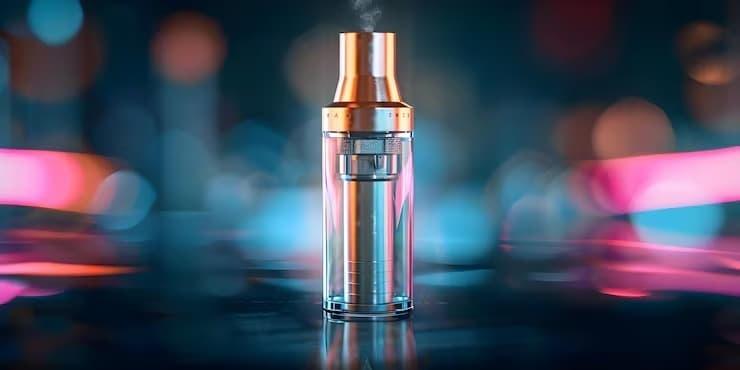
Q1: Can I pack my IBVape device in checked luggage?
No. The recommended and widely enforced rule is to keep all e-cigarette devices and spare batteries in carry-on luggage only.
Q2: How much e-liquid can I bring in my carry-on?
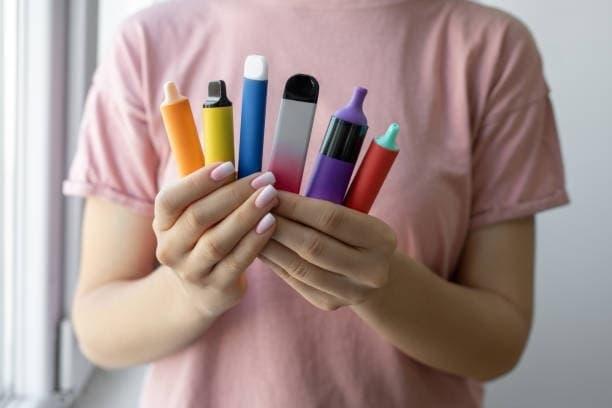
Follow the standard liquid restrictions of the airport/airline (often 100 ml per container within a single clear bag). Always verify for international exceptions and country-specific rules.
Q3: Are power banks allowed?

Most airlines allow power banks in carry-on up to 100 Wh without approval and 100–160 Wh with airline approval; above 160 Wh is commonly prohibited.
Q4: What if my destination country bans vaping?
If a destination bans vaping, do not bring devices or e-liquids; you risk fines or confiscation. Check local laws before traveling.