
Smart Choices for Purchasing and Understanding Vaping
Choosing where to buy vaping products is as important as understanding how they affect health. Whether you’re a current smoker thinking of switching or a curious adult exploring alternatives, a responsible Vape Shop can provide guidance, product quality assurance, and safety information. At the same time, many people ask, “can smoking e cigarettes harm you?” — this article unpacks the evidence, clarifies common misconceptions, and gives practical harm-reduction advice you can use today.
Why the point of purchase matters
Not all retailers are created equal. A reputable Vape Shop focuses on product sourcing, staff training, and consumer safety. When you buy from a knowledgeable retailer you reduce the risk of counterfeit products, mislabeled e-liquids, and faulty devices that could cause injury. Look for shops that carry recognized brands, have clear ingredient panels, and will explain device maintenance — these factors all contribute to lower consumer risk.
Signs of a quality retail experience
- Staff who can explain nicotine strengths, coil types, and battery safety;
- Clear labeling on e-liquids including ingredients, nicotine concentration, and batch information;
- Availability of safety accessories: protective cases, authentic chargers, and replacement parts;
- Evidence of age verification and responsible sales practices.
Understanding the key question: can smoking e cigarettes harm you
The direct answer is nuanced. The phrase “can smoking e cigarettes harm you” is common, and the best response is: e-cigarettes are not risk-free, but their risk profile differs from combustible cigarettes. E-cigarettes eliminate tar and many combustion byproducts, but they still deliver aerosolized substances and often nicotine. The degree of harm depends on multiple variables: device type, e-liquid ingredients, nicotine level, user behavior, and product quality.
Major factors that influence risk
- Nicotine content: Nicotine is addictive and can have cardiovascular and developmental effects, especially in youth and pregnant people.
- Flavoring chemicals: Some flavor compounds are safe to eat but not safe to inhale; diacetyl is an example linked to lung disease when inhaled chronically.
- Device temperature and coil materials: Higher heat can create thermal decomposition products; metal particles from coils have been detected in aerosols.
- Contamination and counterfeit products: Poor manufacturing can introduce toxins or inconsistent nicotine doses.
Evidence from public health research
Research indicates that switching completely from smoking combustible cigarettes to regulated vaping products reduces exposure to certain harmful chemicals. However, long-term studies are still emerging. Short- and medium-term data suggest fewer carcinogenic and combustion-related compounds in e-cigarette aerosol compared with tobacco smoke, but there are measurable effects on respiratory and cardiovascular biomarkers in some users. Public health authorities often recommend e-cigarettes only as a smoking-cessation aid for adult smokers who would otherwise continue smoking.
Key takeaway: The question “can smoking e cigarettes harm you” cannot be answered with a simple yes/no. Context matters — who is using them, how they’re used, and what products are chosen.
Harm reduction: practical tips from experts
A pragmatic approach accepts that absolute safety is rare, and focuses on reducing harm. Whether you’re buying at a local Vape Shop or ordering online, these strategies minimize risk:
- Buy quality products: Prefer reputable manufacturers and verified retailers to reduce counterfeit exposure.
- Choose sensible nicotine levels: Work down nicotine strength gradually if your goal is to reduce dependence; a trained vape shop staffer can help match nicotine to your previous smoking patterns.
- Avoid illicit or homemade cartridges: These have been linked to severe lung injuries in some cases.
- Monitor device cleanliness: Replace coils as recommended, maintain tanks, and use the correct chargers for batteries.
- Read labels carefully: Know the ingredients and batch information; if a bottle lacks transparency, avoid it.
Practical switching plan
- Consult a health professional about quitting smoking and using alternatives.
- Visit a trusted Vape Shop for product education and to trial devices that feel comfortable.
- Start with a nicotine level that relieves cravings without causing excess side effects.
- Create a tapering schedule to reduce nicotine intensity over weeks to months as dependence decreases.
- Track symptoms and seek medical advice if you experience persistent cough, chest pain, or breathing difficulties.
 Vape Shop advice and can smoking e cigarettes harm you explained by experts with practical harm reduction tips” />
Special populations and particular risks
Some groups should avoid vaping entirely: youth, pregnant or breastfeeding people, individuals with certain cardiovascular conditions, and those who have never smoked. Youth are especially vulnerable because nicotine can harm brain development and increase the likelihood of long-term addiction. For current smokers who switch completely, vaping may be less harmful than continued smoking, but the safest option is full cessation of all nicotine products.
Device and battery safety — often overlooked

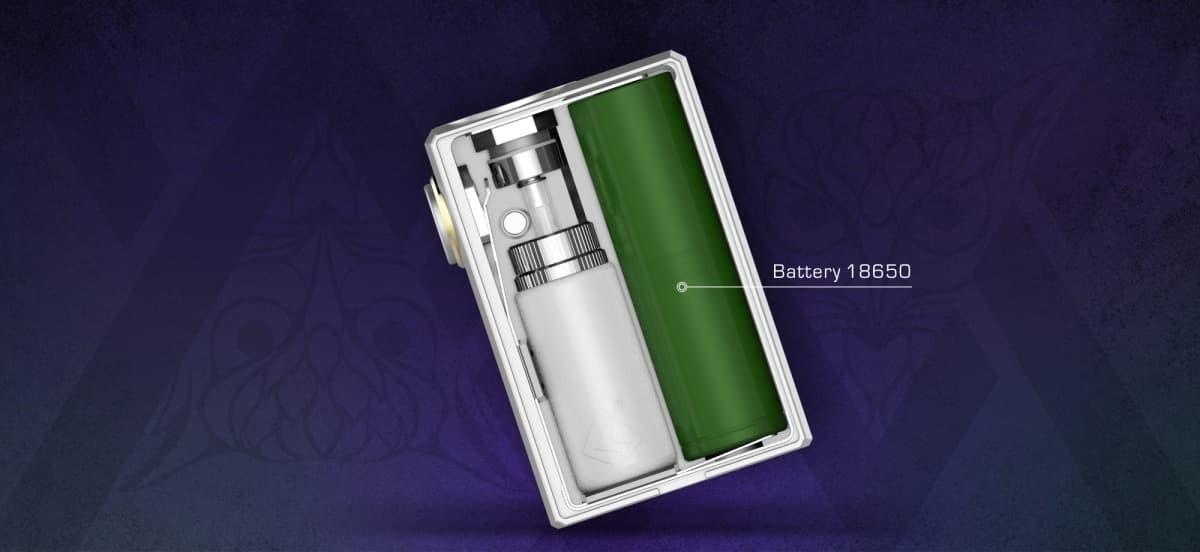
Serious injuries from e-cigarettes are rare but usually stem from battery misuse, unauthorized modifications, or using damaged devices. A reputable Vape Shop will emphasize battery compatibility, safe charging practices, and the dangers of “mechanical mods” that lack safety features. Never leave batteries charging unsupervised, avoid mixing batteries from different brands, and replace batteries with signs of damage.
Checklist for battery safety
- Use the charger provided by the manufacturer;
- Avoid overcharging or using high-wattage chargers on incompatible cells;
- Carry batteries in protective cases to prevent short circuits;
- Replace old or damaged batteries promptly.
Flavorings and inhalation safety
Flavor variety drives much of the appeal of vaping, but inhalation safety of many flavoring chemicals remains uncertain. While many flavors are food-grade, inhalation can expose the respiratory tract to substances with different toxicological profiles. Ask your Vape Shop about lab testing and avoid products with unknown or unverified flavor ingredients. If a flavor causes throat irritation or persistent cough, discontinue use and consult a clinician.
How to evaluate e-liquid quality
Quality indicators include:
- Batch numbers and manufacturing dates;
- Third-party lab testing results (e.g., for heavy metals, nicotine accuracy, and contaminants);
- Clear ingredient lists and manufacturer contact information;
- Child-resistant caps and tamper-evident seals.
Behavioral strategies to reduce risk
Beyond product choices, user behavior matters. Avoid chain vaping (continuous long puffs), which increases exposure to heated byproducts. Use lower power settings if your device allows it. If you share devices socially, use disposable mouthpiece covers to reduce infectious risk. Keep devices and e-liquids out of reach of children and pets.
Regulation, labeling, and consumer rights
Regulatory oversight varies by region. In many places, stricter rules have improved product transparency, but gaps remain. As a consumer, you should expect accurate labels and accessible safety information. If a Vape Shop cannot provide proof of testing or refuses to answer simple safety questions, consider taking your business elsewhere.
Questions to ask a retailer
- Can you provide lab reports or certificates of analysis for your e-liquids?
- What training do staff undergo on product safety?
- Do you sell authentic replacement batteries and chargers?
- How do you advise customers who want to quit smoking entirely?
When to seek medical attention
Stop using e-cigarettes and seek prompt medical care if you experience severe or persistent symptoms such as chest pain, shortness of breath that worsens, unexplained coughing with blood, fainting, or signs of nicotine overdose (nausea, vomiting, dizziness, rapid heartbeat). If you believe you have been exposed to a contaminated or illicit product, inform local health authorities.
Transitioning away from nicotine
For many adults, the goal of switching to vaping is stepping down nicotine use or quitting entirely. Evidence-based cessation supports include counseling, nicotine replacement therapy (patches, gum), and behavioral programs. A supportive Vape Shop can complement these strategies by advising on nicotine tapering and non-nicotine options, but it should not replace clinical support when needed.
Environmental and disposal considerations
Even discarded e-cigarettes and cartridges can pose environmental risks if not disposed of properly due to batteries and residual nicotine. Use local electronic recycling programs and follow manufacturer recommendations for battery disposal. A conscientious Vape Shop often participates in or can advise on safe disposal options.
Summary guidance
In short: choosing a reputable Vape Shop and making informed product choices reduces risk. The question “can smoking e cigarettes harm you” invites a balanced answer — e-cigarettes can be less harmful than combustible cigarettes for adult smokers who switch completely, but they are not harmless and carry specific risks. Focus on quality, transparency, harm-minimizing behaviors, and professional support when aiming to quit nicotine altogether.
Quick practical checklist
- Buy from respected retailers with clear labels and lab tests;
- Start with an appropriate nicotine level and plan to taper if desired;
- Prioritize battery and coil safety;
- Avoid unregulated cartridges or homemade mixes;
- Seek medical advice for persistent symptoms or for tailored quit support.
FAQ
Q: Are e-cigarettes a safe way to quit smoking?
A: Many smokers have successfully used e-cigarettes to quit combustible tobacco, and switching may reduce exposure to certain harmful chemicals. However, the safest route is complete cessation of all nicotine products. Combining behavioral support with a transition plan improves success rates.
Q: How can I tell if an e-liquid is safe?
A: Look for third-party lab reports, clear ingredient lists, batch numbers, and manufacturer contact details. Avoid products without transparency or with unusually low prices that suggest counterfeiting.
Q: Will vaping help me avoid long-term lung disease?
A: Long-term outcomes are still under study. Vaping eliminates many combustion byproducts linked to lung disease, but inhaled aerosols still pose respiratory risks. Reducing or eliminating all inhaled substances is the most protective approach.
Choosing a reputable Vape Shop, staying informed about product ingredients, practicing safe device maintenance, and understanding the nuanced answer to “can smoking e cigarettes harm you” are essential steps toward minimizing harms associated with vaping. Use the advice above as a practical roadmap for safer choices and consult healthcare professionals for personalized support.